
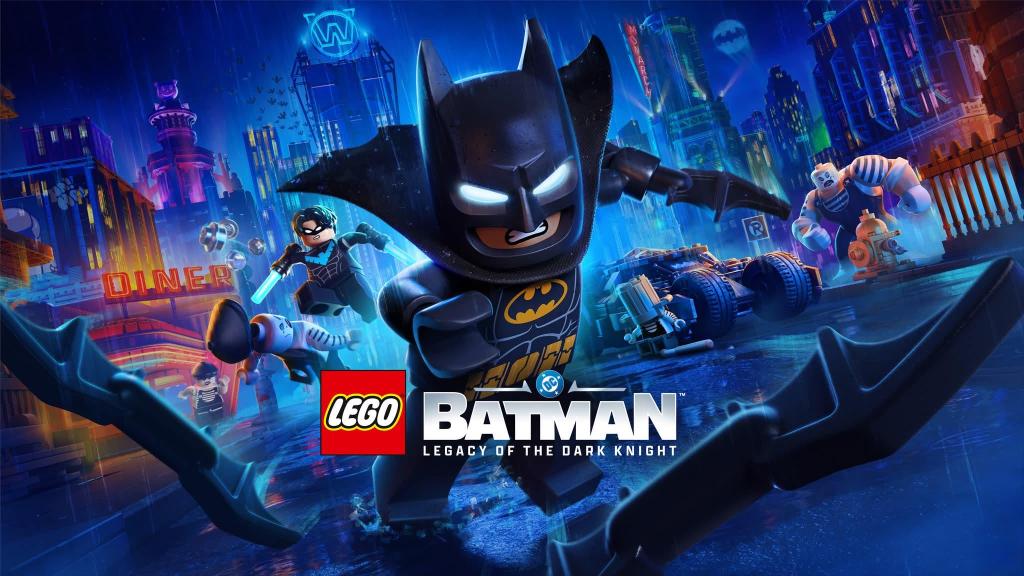
Spoiler-free review
Introduction: Gotham’s Never Looked So Good in Plastic
Few superheroes have had as storied a relationship with video games as Batman. From the legendary Arkham series to the classic LEGO titles that had us glued to the sofa for hours, the Dark Knight has consistently been one of gaming’s most reliable leading men. So when TT Games (the studio behind over two decades of LEGO games), announced that they were returning to Gotham with their most ambitious project yet, the excitement was immediate.
LEGO Batman: Legacy of the Dark Knight wants to stitch together decades of Batman’s cultural history (films, television, and animation), into one cohesive open-world adventure. It’s ambitious, clearly made with love, and for the most part it delivers. But whether it delivers as a LEGO game specifically is, as we’ll get into, a very different question entirely.
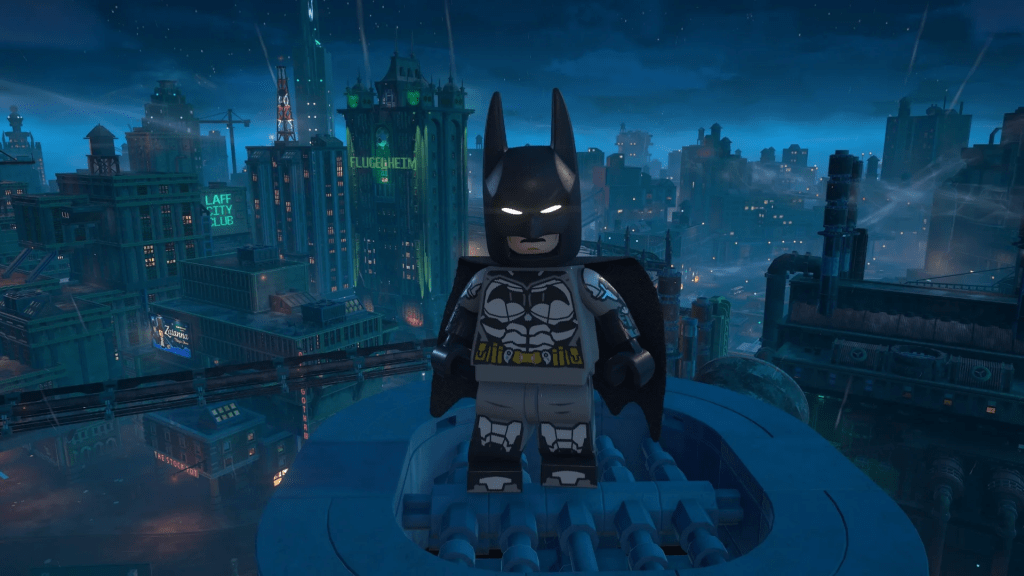
Figure 1: The Dark Knight surveys his city, and what a city it is.
Image Source: https://www.eurogamer.net/best-skills-lego-batman-legacy-of-the-dark-knight
Story: The Dark Knight’s Origin Story
Taking every major Batman film adaptation and weaving them into a single connected narrative is no small feat, and TT Games largely pulls it off. The game moves through distinct eras of Batman’s history on screen, each chapter adopting its own tone, visual palette, and set of references that will make long-time fans beam. Seeing the campy sixties Batman rubbing shoulders with the brooding Nolan era is exactly as delightful as it sounds. For newcomers and younger players it’s a breezy romp. For Batman obsessives, it’s a treat.
Anchoring the story almost entirely to the films is a missed opportunity though. Batman’s comic history is vast and wild, and its near-total absence is felt. There’s also a notable lack of Joker in the main story, which is baffling for a Batman game, and feeling even more cynical when he’s being sold as paid DLC.
The opening chapters drag noticeably, adapting Batman Begins as the prologue is the obvious call, but it tests your patience when all you want is to get out into Gotham. The back half also loses some steam, with later levels feeling shorter and less developed compared to the confident swagger of what came before. Stick with it though, the story builds, improves, and delivers enough memorable moments to justify the ride.
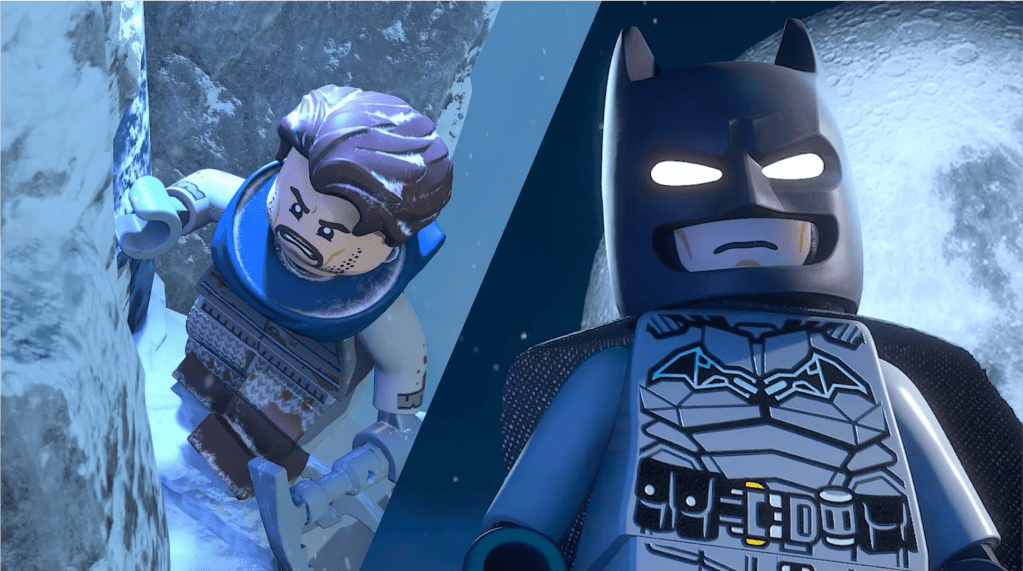
Figure 2: Two Batmen, two eras, one surprisingly cohesive story
Image Source: https://legobatmangame.com/en-GB/
Gameplay: Some Assembly Required
Flying through Gotham is, without question, one of the game’s greatest achievements. Movement feels exceptional, gliding between skyscrapers, banking through wind tunnels, and tearing across rooftops has a fluidity that never gets old. Mission design is a meaningful step up from The Skywalker Saga too, levels are tighter, more focused, and built around multi-character puzzle solving that actually requires thought. Collectibles are well integrated rather than mindless filler, and hunting them across Gotham kept me genuinely engaged across the full 25-hour runtime.
The progression system is one of the more interesting things the game does. Gold Bricks (earned by completing missions and challenges), are spent on a shared skill tree split across Combat and Exploration upgrades that apply to every character. Separately, gadget upgrades are handled at Workbenches using WayneTech Chips found in hidden caches. Each character also carries their own individual skill tree enhancing their unique abilities, meaning progression feels personal and satisfying rather than one-size-fits-all. Deciding where to invest your Gold Bricks early on adds a welcome layer of strategic thinking to what is ostensibly a family game.
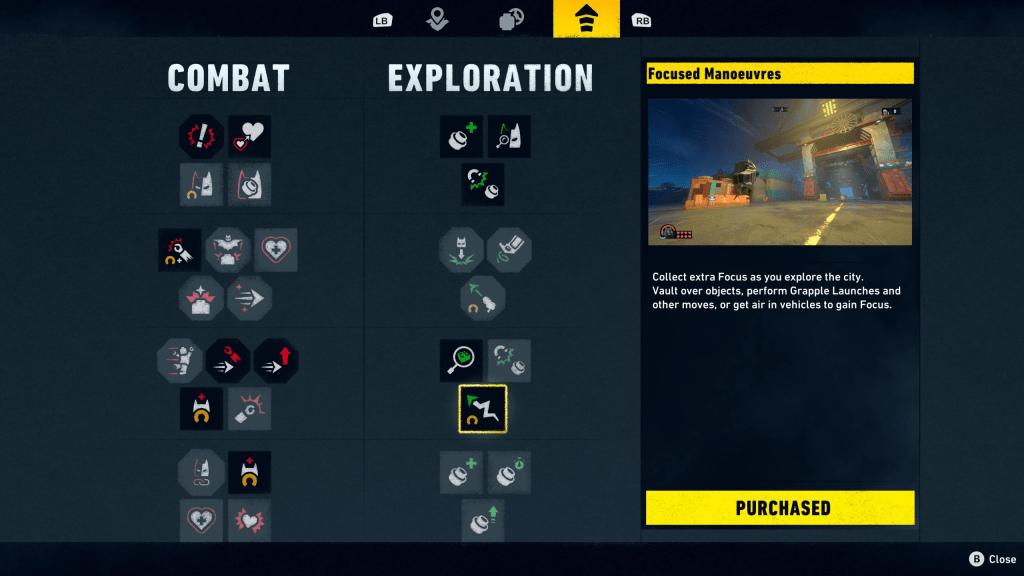
Figure 3: The shared skill tree splits neatly between Combat and Exploration
Image Source: https://wccftech.com/how-to/lego-batman-legacy-of-the-dark-knight-how-to-build-focus-while-gliding-focused-maneuvers-guide/
The character roster, however, is where things get frustrating. Only seven playable characters make the cut, and Robin becomes largely redundant the moment Nightwing arrives, sharing near-identical abilities in a roster already crying out for variety. Most maddening of all, Batman is a mandatory character in the open world at all times. Want to roam Gotham as just Batgirl and Nightwing? Tough luck. The cowl stays on.
Combat: I’m Batman… But Am I Having Fun?
The combat draws clear inspiration from the Arkham series, promising on paper, uneven in practice. On standard difficulties, most encounters collapse into mashing the attack button with the occasional dodge thrown in. The gadgets, whilst varied and cleverly designed, rarely feel necessary, basic melee is almost always more efficient, which undermines the entire system. Crank it up to Dark Knight difficulty though, and the combat genuinely transforms, weaving gadgets, focus attacks, and counters into a fluid rhythm becomes deeply satisfying, revealing a layer of depth the easier modes never demand. Most players will sadly never see that version of the game, which feels like a genuine waste.
Stealth sections suffer from similar inconsistency, with underdeveloped arenas and hit detection that doesn’t always cooperate. The Riddler and Cluemaster puzzles scattered across the open world also outstay their welcome, there are simply too many of them, and the near-identical puzzle types grow tedious well before the satisfying finale. A small but telling UX frustration too: locked puzzle icons on the map give no clear indication that you simply lack the required character yet. Minor, but the kind of friction that can frustrate players.
Open World: Brick by Brick Across Gotham
Gotham itself is a genuine achievement. Visually stunning, rain-soaked streets, neon-lit districts, gothic spires and Art Deco facades all rendered in gorgeous LEGO plastic. Flying over it never gets old, and the density of Batman references and easter eggs tucked into every corner rewards curious exploration beautifully. The Batcave is a highlight too, fully customisable, filled with personality, and the kind of hub world you genuinely enjoy returning to between missions.
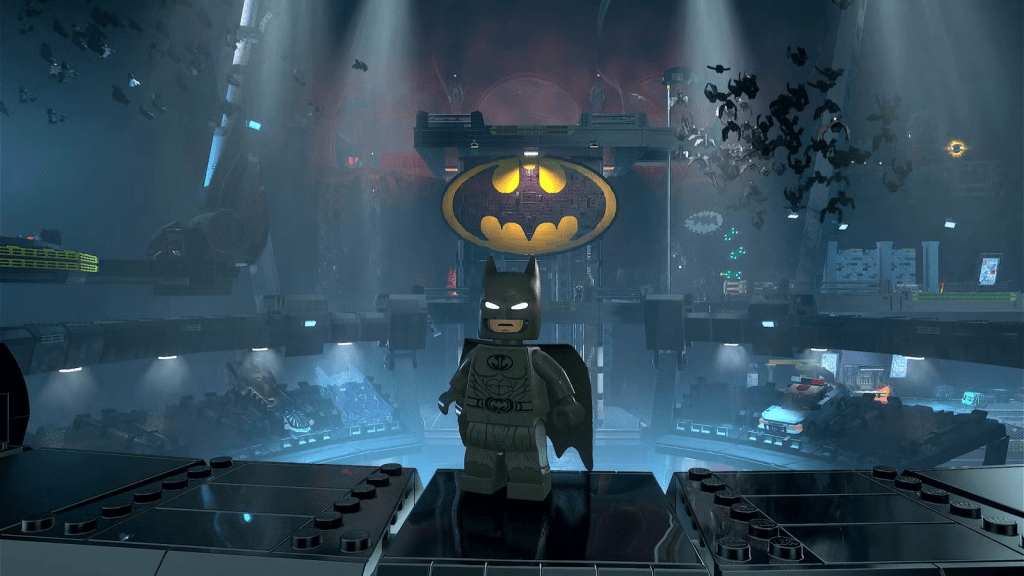
Figure 4: The Batcave – atmospheric, detailed, and genuinely one of the best hub worlds TT Games have ever built.
Image Source: https://gamerant.com/lego-batman-legacy-dark-knight-batcave-explained/
For all its beauty though, Gotham has a depth problem. Many locations are visually dull at street level, lacking colour and memorability, and the inability to enter most buildings or explore Wayne Manor outside of story sections is a noticeable gap. Open world activities grow repetitive, and getting across the city takes longer than it should despite the wind tunnels and car boost. The Batmobile is great for long-distance cruising but a nightmare to steer in timed races, the bikes handle those far better. Oh, and you cannot drive through the Batcave. You have to fast travel there, which kills a lot of the immersion.
The LEGO Formula: Not Your Classic LEGO Game
This is the most important conversation to have about Legacy of the Dark Knight, and the one that’ll most determine whether you leave satisfied or disappointed. This does not feel like a traditional LEGO game. It feels like a very good LEGO-flavoured action-adventure, and there is a meaningful difference between those two things.
The LEGO games that defined a generation were built around a beloved loop: play a level, unlock characters, return in Free Play, use new abilities to reach previously inaccessible collectibles. Simple, endlessly satisfying, genuinely addictive. None of that loop exists here. No Free Play. Every collectible in a mission is accessible on your first run. The Red Bricks (historically used for fun cheats and modifiers), are repurposed purely for cosmetic colour changes. Villains are locked behind paid DLC. The closest comparison is a more focused Skywalker Saga crossed with Horizon Adventures. Not inherently a criticism, but absolutely something every prospective player deserves to know before stepping into Gotham.
Sound: Holy Repetitive Radio Chatter, Batman!
The music is an outright highlight, TT Games brought in different composers for different eras, and the result is a soundtrack that shifts and evolves alongside the story beautifully. The campy sixties sections bounce with brassy theatrical flair. The Nolan-era chapters carry genuine weight. It’s remarkable work that deserves far more attention than it’ll likely receive.
The voice acting is a far more mixed picture. The elephant in the room is the absence of Will Arnett, whose self-serious, gloriously comedic Batman became utterly iconic across the original LEGO games and the 2017 film. Replacing him was always going to be a thankless task, and whilst Shai Matheson brings genuine craft to the role, he convinces roughly half the time and falls flat the other half. Iconic lines from classic Batman films land slightly off without that familiar voice behind them.
The clear highlight of the cast is Matt Berry as Bane, a casting choice that sounds unlikely on paper but works brilliantly in practice, leaning gleefully into an over-the-top Tom Hardy impression that only a LEGO game could get away with. The rest of the villain performances, unfortunately, are more forgettable than memorable.
Then there’s the police dispatcher, and Bat-Mite. If you’re chasing 100%, prepare yourself. The radio screams a new crime every twenty seconds, and after hours of collectible hunting it becomes genuinely maddening. Bat-Mite will cheerfully yell at you to visit his shop long after he has absolutely nothing left to sell. The kind of quality of life oversight that makes you want to set your controller down and go for a very long, very quiet walk.
Accessibility: Every Brick Counts
It’s worth acknowledging that TT Games has put genuine thought into accessibility here. The game includes three difficulty levels, two of which carry no fail state, making it approachable for younger players or those who simply want to enjoy the story without friction. Gameplay speed can be reduced to 50%, QTEs can be auto-completed, and controls are fully remappable. Visual options cover high contrast mode, colour blindness support, adjustable text sizes, and a full suite of fullscreen effect toggles.
The AR Challenges can be genuinely brutal, and the adjustable game speed makes a real difference there specifically. Subtitles are thorough, an audio description mode narrates cinematics for visually impaired players, and a screen reader is confirmed as coming in a future patch. For a franchise historically aimed at families and children, it’s one of the most comprehensive accessibility suites TT Games have ever shipped, and that deserves recognition.
Conclusion: A Great Batman Game Wearing a LEGO Costume
Is LEGO Batman: Legacy of the Dark Knight the best LEGO game ever made? Not for me. My personal gold standard remains LEGO Star Wars: The Complete Saga, and nothing here topples it. The missing Free Play loop, the stripped-back roster, the paid villain DLC, these are real losses that stop it from reaching the heights of the classics.
But as a Batman game? It’s frequently brilliant. The traversal is exceptional, the music is superb, the mission design is the best TT Games has delivered in years, and the Batcave customisation alone will keep fans busy for hours. It came out well, I was pleased, just not blown away. If you love Batman, this is absolutely worth your time. If you came hoping for a return to classic LEGO, temper your expectations before stepping into Gotham.
The cowl fits. It just doesn’t quite feel like home.
Time Played: 25 Hours
Achievements: 52/52 (1000G/1000g)
Rating: 3.5/5



Leave a comment