

Experiencing Oddworld: Abe’s Oddysee for the first time on PS5 is to step into a world unlike any other, a place where danger lurks in every shadow, beauty hides in the unlikeliest corners, and survival depends as much on wit as on reflexes. Originally released in 1997 for the PlayStation 1, this cinematic platformer blends environmental storytelling, dark humour, and tense precision gameplay into a singular experience that still commands attention nearly three decades later.
The PS5 re-release preserves the original art, animation, and atmosphere in full, while introducing modern conveniences such as instant rewind and quicksave. These enhancements remove the frustration of its punishing difficulty, allowing its world, tone, and meticulous design to shine for a new generation. What emerges is not just a preserved classic, but a reminder of how powerful and distinctive game design can be when every frame, sound, and mechanic works toward immersing the player in its strange and unforgettable universe.
An Unlikely Hero in a Ruthless World
Oddworld: Abe’s Oddysee follows the misadventures of Abe, a gentle, hapless factory worker at RuptureFarms, unexpectedly puts him in the path of a terrifying corporate scheme. The game opens with Abe recounting his journey through darkly comic rhyming narration, instantly establishing the tone, part grim fable, part mischievous satire.
Abe, voiced with charm and humour by series creator Lorne Lanning, is far from the typical action hero. His hesitant speech, goofy expressions, and even his spindly little hair tuft make him instantly endearing. In cutscenes, his bumbling optimism frequently saves him by accident, and while he may stumble, he is far from foolish. This mixture of innocence, wit, and vulnerability is a large part of why the story’s stakes resonate so strongly.
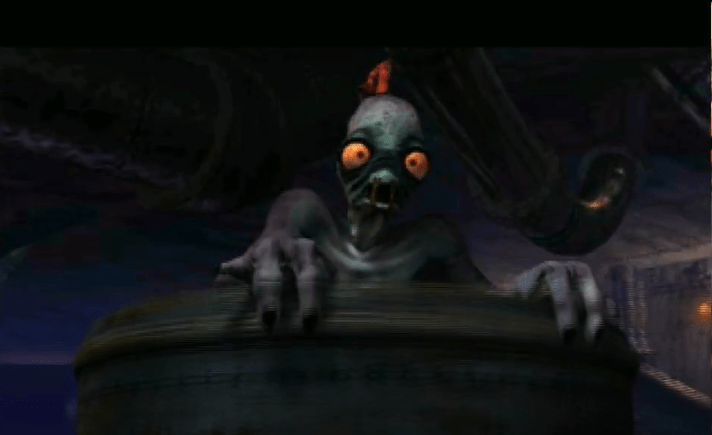
Figure 1: Abe, the main protagonist of Oddworld
Image Source: https://www.youtube.com/watch?v=q8-eMQDB2ss
Storytelling Through Sight and Sound
The narrative is driven as much by atmosphere as by dialogue. The FMV (Full-Motion Video) cutscenes remain a technical and artistic triumph, delivering cinematic quality well beyond what the PlayStation hardware of 1997 should have allowed. These sequences effortlessly introduce the world’s alien societies, corporate greed, and ecological decay in just a few minutes, while also revealing Abe’s personality in a way that makes him impossible not to root for straight from the get go.
There’s lots of dark humour intertwined with themes of environmental rights and capitalism. I especially love how the Mudokons have temples dedicated to each creature, highlighting their deep appreciation for the natural world. This stands in stark contrast to the Glukkons, who are driven purely by profit, packaging and selling everything with no regard for life. The alien designs and worldbuilding vividly bring this conflict to life.
The world itself tells its own story. From the oppressive green smog hanging over RuptureFarms to the rich blues of the skies beyond, every backdrop conveys meaning. Warnings are shown, not told, with dead Mudokons in the factory stockyards, captured creatures in pits, and ominous machinery on the horizon speaking volumes without a single line of dialogue.
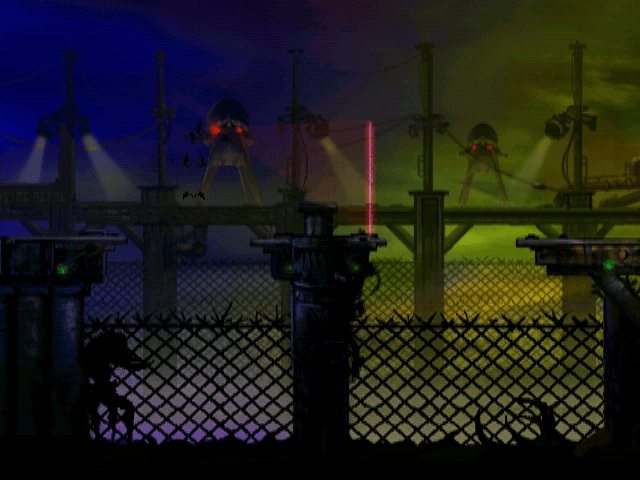
Figure 2: Transition from factory to stockyard, with creatures in the pits
Image Source: https://oddworld.fandom.com/wiki/Stockyards
A Delicate Dance of Danger and Discovery
Gameplay unfolds as a series of interconnected, screen-by-screen challenges, where you, enemies, and hazards can cross between screens, creating larger, layered puzzles. Abe’s moveset is deliberate, with a weight that demands careful timing. Jumps, climbs, and rolls, each require commitment, and a single mistake can mean instant death. This precision makes success deeply satisfying, but it also means that the game can feel punishing, especially in its trial and error moments.
The world is alive with hazards, from aggressive Sligs with rifles, to territorial Scrabs that chase without pause, and deceptively docile Paramites that turn deadly when cornered. Some creatures can be distracted or manipulated, others cannot. Abe himself has no health bar; one hit from any source, whether bullet, claw, or even bat, ends his life instantly, keeping tension high at all times.
On PS5, the rewind function changes everything. Where the original’s sparse checkpoints could mean repeating minutes of careful play after one slip, the modern version lets you immediately correct mistakes. It removes tedium without dulling the tension, making the game far more approachable while preserving its intended difficulty curve.
GameSpeak and the Joy of Connection
One of Abe’s Oddysee’s most distinctive mechanics is GameSpeak, which allows Abe to communicate directly with other Mudokons using the controller’s face and shoulder buttons. You can greet, call followers, ask them to wait, or repeat special tonal phrases as passwords. This system is intuitive and entirely HUD-free, making it feel like a natural part of the world rather than a bolted-on mechanic.
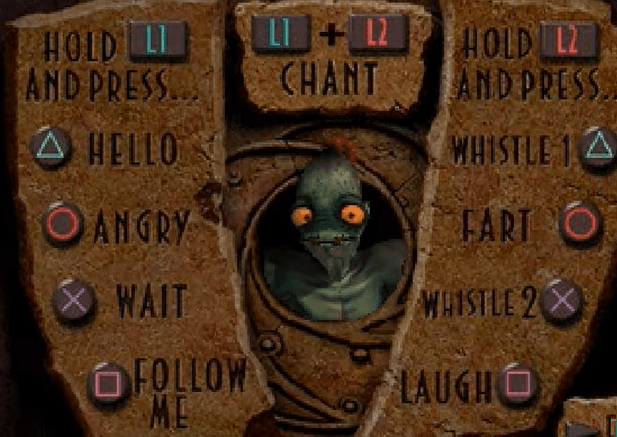
Figure 3: GameSpeak menu in Abe’s Oddysee
Image Source: https://www.youtube.com/watch?v=dnr2TGDCDCs
Guiding other Mudokons to safety adds another layer of challenge. They cannot jump or climb, and they will follow you blindly, even into danger, unless told otherwise. Escorting them often requires clearing enemies first, disabling traps, and perfectly timing movements to avoid getting them killed. These moments are entirely optional but feed into the game’s narrative and story, encouraging replayability for those who want to save as many as possible.
Limitations, Brutality, and Masterful Level Design
Limitations, Brutality, and Masterful Level Design
Despite its brilliance, Abe’s Oddysee demands patience. The deliberate controls can feel heavy, and certain hazards appear with no warning, leading to deaths that seem unfair until you learn their patterns. Killing an enemy you later needed for a puzzle can force a restart, and it is never clear when a checkpoint has been triggered.
Yet these elements are inseparable from the game’s identity, because its level design is nothing short of inspired. Each area is carefully constructed to teach you something new, not through pop-up instructions, but by letting you experiment and fail in a safe way before raising the stakes. Early screens nudge you into using stealth, timing your movements, and experimenting with GameSpeak, while later stages weave these skills together into intricate, multi-step solutions. Many challenges are interconnected, allowing enemies, hazards, and even rescued Mudokons to move between screens, so you are solving not just an isolated puzzle, but a living, breathing scenario that spans the environment.
The pacing is equally impressive, mixing tense chases with slower, cerebral problem-solving, and always giving you a small but satisfying moment of mastery before presenting the next obstacle. Even its environmental tricks, like shifting between foreground and background paths, feel organic to the world rather than gimmicky. Every trap, platform, and enemy placement feels intentional, designed to challenge without wasting the player’s time.
Rare creature encounters, multi-layered puzzles, and the constant risk of losing rescued Mudokons keep the experience unpredictable from start to finish. The genius of the design lies in how it rewards observation and foresight as much as reflexes. Every success feels truly earned, and every failure teaches you something, ensuring the game stays engaging right until the end.
Music, Atmosphere, and Artistry
Oddworld’s soundtrack is a masterclass in restraint. Rather than filling every moment with melody, the game uses its score to punctuate key scenes and heighten tension. The hum of machinery, the clank of gears, and the distant echo of alien wildlife create an ambient soundscape that makes every location feel alive. When music does swell, often during chase sequences or enemy possession moments, it lands with twice the impact when the drums kick in.
Visually, the game remains stunning in its own way. Pre-rendered backgrounds give each area a tactile richness, and the alien designs are incredibly inventive, from the menacing industrial overlords to the smallest critters scuttling in the shadows. The environments are varied and purposeful, with no area feeling like filler. Even with its 1997 origins, the artistry holds up remarkably well today.
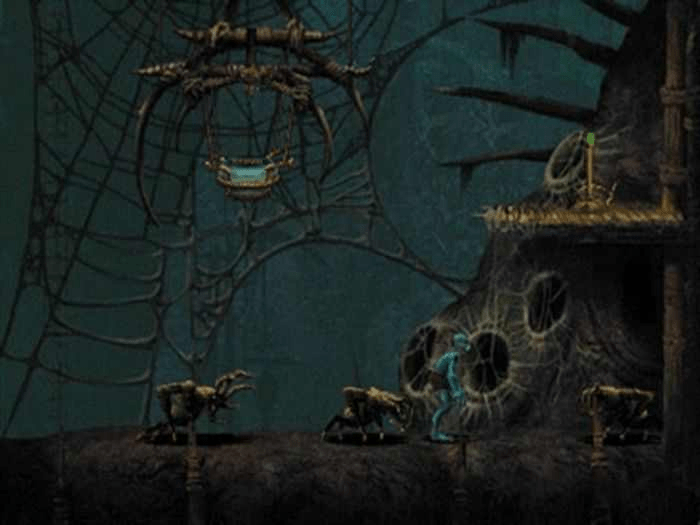
Figure 4: Abe surrounded by Paramites
Image Source: https://wizarddojo.com/2021/01/07/oddworld-abes-oddysee-review/
Final Verdict – A Classic That Still Commands Respect
Abe’s Oddysee is as much about tone and texture as it is about platforming and puzzles. It is a game that trusts the player to explore, to fail, and to learn without constant handholding. Its humour is sharp, its world is fully realised, and its artistry remains unmatched in the genre.
On PS5, with the addition of rewind and quicksave, it becomes not only more accessible but also more enjoyable for newcomers who might have been put off by its original brutality. What was once an experience for the most patient of players is now an adventure that can be appreciated by almost anyone willing to immerse themselves in its strange and captivating world.
Score: 4.5/5
Playtime: 4 Hours
Trophies: 31/31 Platinum Achieved


 Kirbylife Game Research & Reviews
Leave a comment