
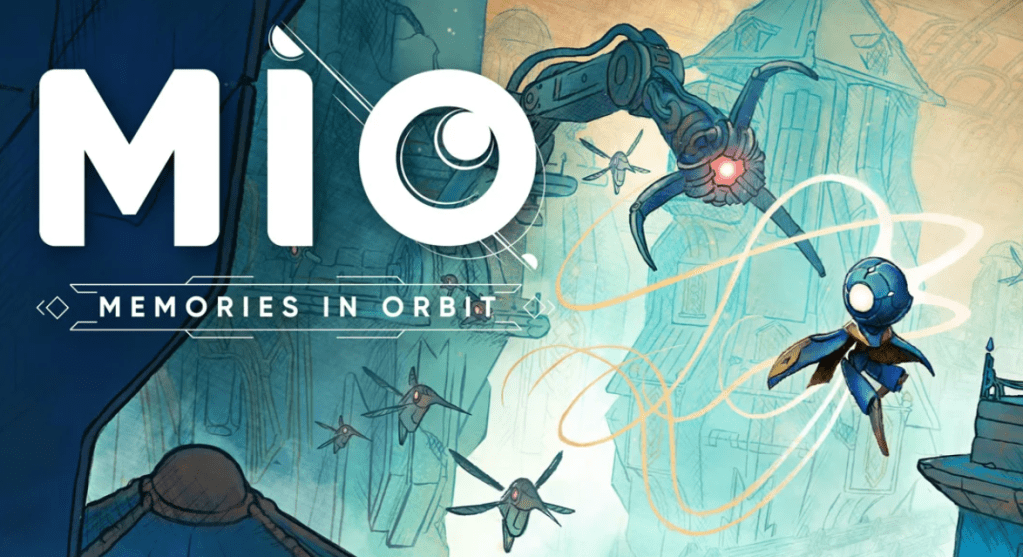
Introduction – An Indie Surprise Worth Remembering
(This review is completely spoiler-free and focuses on mechanics, themes, and overall experience.)
Memories in Orbit (MIO) is set in a mechanical world slowly succumbing to decay, where the environment itself reflects the themes of entropy and impermanence. You play as a small, nimble protagonist navigating a landscape of crumbling machinery, derelict structures, and intricate machinery, seeking to uncover the secrets of a world in decline.
This is one of those indie games that quietly slips onto your radar and then refuses to leave your mind. Developed by Douze Dixièmes, this hand-crafted 2.5D Metroidvania initially looks like another genre entry inspired by giants like Hollow Knight and Ori and the Will of the Wisps. But after spending time with MIO, it becomes clear that this is not imitation, it is iteration with identity.
MIO is on Xbox Game Pass, so trying it is a no-brainer. I honestly expected something decent and nothing more, but the longer I played it, the more it pulled me in. And by the end, I didn’t just like it, I loved it.
Narrative & Characters – Fragments of a Fading Orbit
I didn’t expect to become invested in the story, but I absolutely did. The narrative unfolds subtly through exploration, lore fragments, and environmental cues rather than exposition dumps. Themes of decay, entropy, and persistence weave naturally into both gameplay and world design, making the mechanics feel intentional rather than arbitrary.
Characters carry surprising charm, especially the merchant and various NPCs scattered throughout the map. They add personality without overstaying their welcome, giving the world warmth instead of emptiness. By the end, the journey felt personal rather than mechanical.
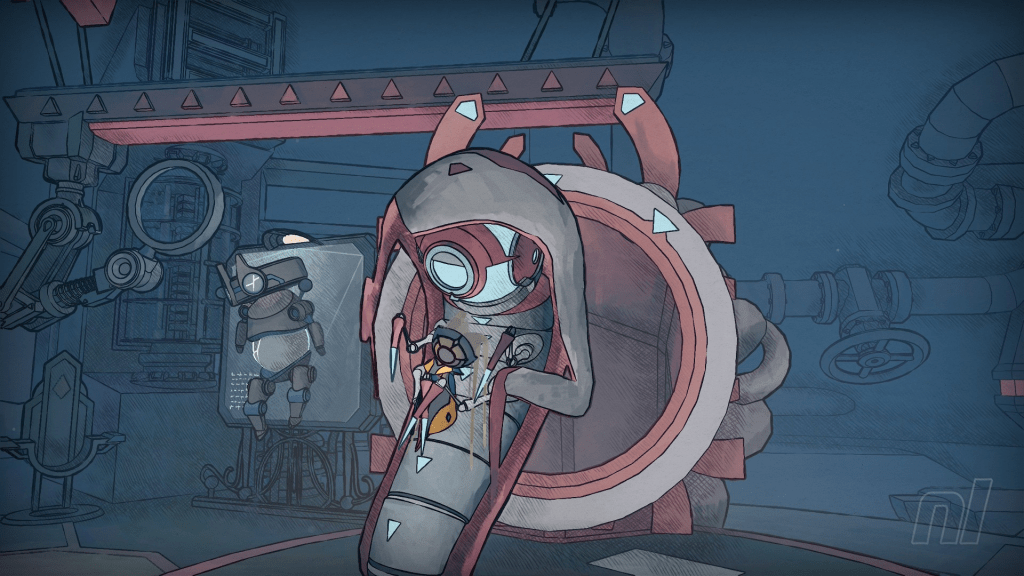
Figure 1: Mel the merchant carrying Mio
Image Source: https://www.nintendolife.com/games/nintendo-switch-2/mio-memories-in-orbit
Movement & Combat – Fluid, Floaty, Fantastic
Movement is the first thing that stands out. It feels floaty in the best way, very reminiscent of Ori, with large aerial arcs and responsive mid-air control. Platforming sections grow increasingly complex as abilities unlock, but they rarely feel unfair.
The hairpin grapple (unlocked early after a straightforward boss), supercharges this system, letting you hook onto green crystals to swing and launch with preserved momentum. Chaining releases, jumps, and re-grapples covers massive distances while integrating with double jumps and enemy pogos for indefinite airtime, though energy regenerates mid-air only on successful hits (on crystals, objects, or enemies), otherwise requiring time grounded to refill.
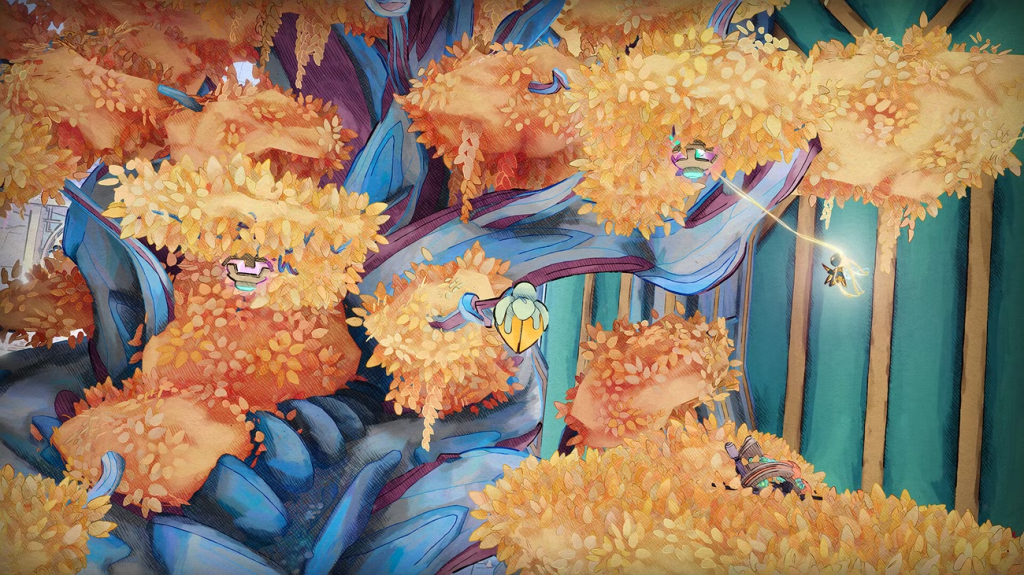
Figure 2: Mio Grappling Upwards By Using the Hairpin
Image Source: https://www.polygon.com/mio-memories-in-orbit-interview/
Importantly, there is no enemy contact damage, avoiding the momentum-breaking friction of many Metroidvanias. Damage comes from deliberate attacks only, keeping traversal fluid and intentional.
Combat is smooth and strategic, rather than button-mashy. Enemies reset your double jump when struck, encouraging aerial combos and constant motion. However, the pogo-style downward strike does not deal damage, acting instead as a mobility extender for chaining bounces, now amplified by hairpin launches for wilder trajectories.
This creates an interesting trade-off: enemies become temporary traversal tools, but the hairpin provides an offensive edge by allowing Mio to hairpin an enemy for a dash strike. This reinforces the emphasis on flow and movement integration, letting you engage without sacrificing momentum. Some may prefer pogo damage for faster clears and traditional efficiency (perhaps a future accessibility toggle), but the design prioritises movement continuity over raw aggression, a bold choice that won’t suit all.
Boss fights range from manageable to challenging (especially optional encounters), testing reflexes and build choices without frustration. whilst some long runbacks exist, most are softened by smart shortcuts and nearby checkpoints.
Skills, Mods & Custom Playstyles – The Allocation Matrix
One of MIO’s most unique systems is its Allocation Matrix, effectively a modifier grid where you slot both positive and negative traits. Equipping a negative modifier grants more capacity for positive ones, creating meaningful risk-reward decisions. For example, you can dramatically increase your power, but receive double damage in return.
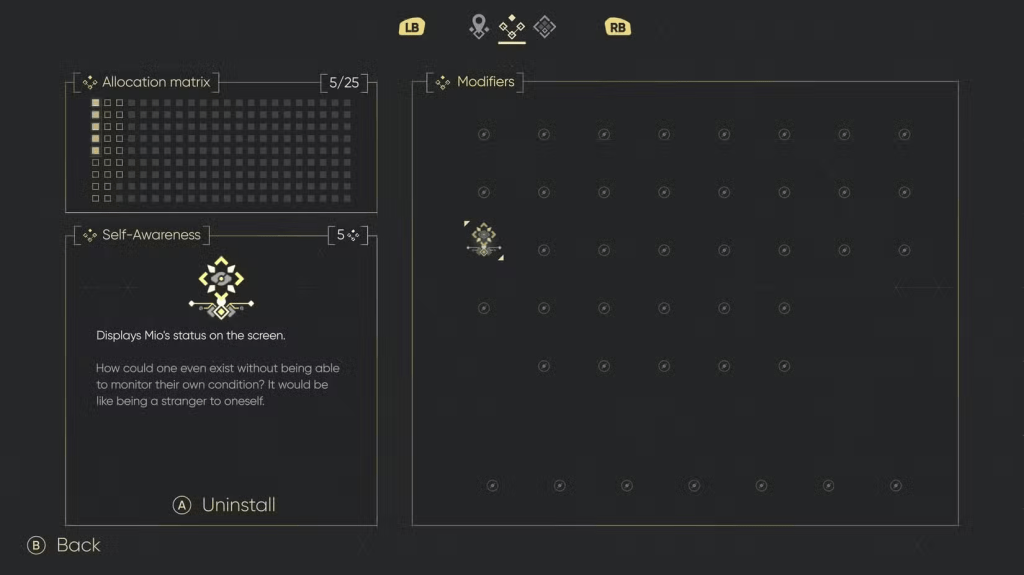
Figure 3: The Allocation Matrix Screen for Equipping Traits
Image Source: https://www.dualshockers.com/mio-memories-in-orbit-best-early-game-mods-locations/
This system adds surprising depth without overwhelming the player. It allows for distinct builds, whether you want survivability, agility, or raw offensive strength. It also complements the assist options rather than replacing them, keeping accessibility and challenge balanced rather than mutually exclusive.
What truly separates MIO from many of its peers is its willingness to experiment with extremely rare mechanics, most notably reverse progression. In almost every game, you usually gain health as you advance, but in MIO, narrative events cause you to permanently lose max health segments as the story progresses, gradually becoming weaker the further you go.
This initially feels confusing and counter-intuitive, even frustrating at first glance. Yet over time it reveals itself as a bold design decision that genuinely works. It powerfully reinforces the game’s central themes of decay, entropy, and inevitable decline, turning a traditional power fantasy on its head. At the same time, carefully balanced new abilities, movement upgrades, and combat options ensure progression still feels meaningful and rewarding rather than purely punishing.
Alongside this are traversal skills that feel genuinely fresh, the spider-hair wall climbing, the Hairpin dash, and other layered movement tools aren’t just functional, they’re memorable. It’s rare to play a Metroidvania and encounter mechanics that feel new instead of remixed, and MIO earns huge credit for taking those risks.
Exploration, Abilities & World Design – A World That Rewards Curiosity
Exploration is where MIO truly shines. The world is intricate, interconnected, and filled with secrets that reward curiosity. You can place map markers, similar to Hollow Knight, which becomes essential given how often the game refuses to hold your hand.
You start without a fully functional map and must actively unlock and upgrade it, something that took me longer than I’d like to admit, but ultimately reinforced the game’s philosophy of discovery through experimentation. Key traversal abilities such as the Hairpin dash, gliding mechanics, and layered movement upgrades gradually open the world and make revisiting areas satisfying rather than tedious.
The game rarely explains mechanics outright. Instead, it nudges you toward experimentation. This can be frustrating in the moment but deeply rewarding once understood.
Visuals & Audio – Hand-Painted Beauty and Haunting Soundscapes
MIO’s 2.5D hand-drawn aesthetic is stunning. Environments look painted, sketched, and layered, yet move fluidly with the player. Colour palettes shift between zones, giving each region its own identity without visual fatigue. Seamless room transitions without loading screens enhance immersion significantly and keep exploration flowing naturally.
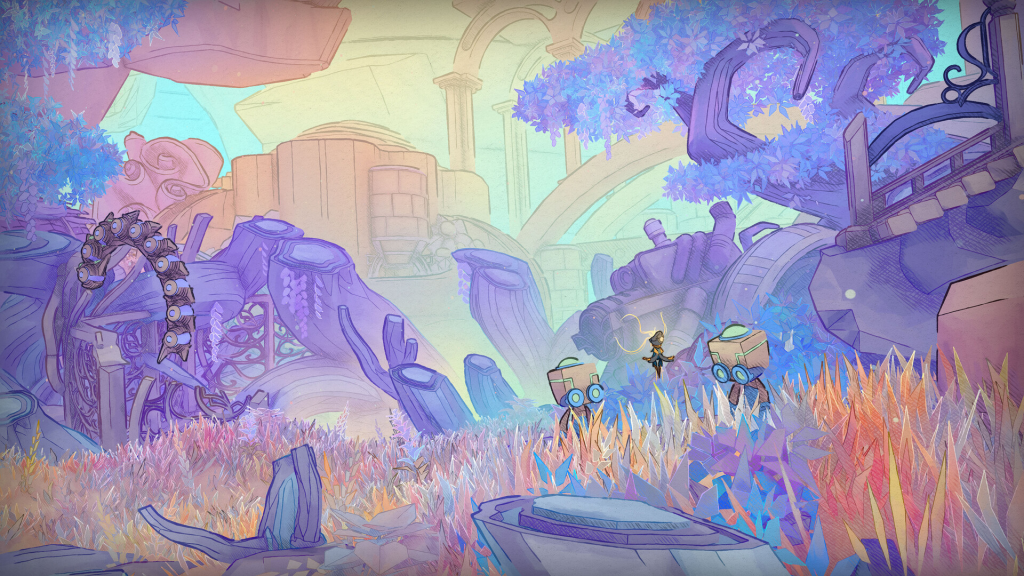
Figure 4: The Stunning Hand-Drawn Art Direction in MIO
Image Source: https://gamingbolt.com/mio-memories-in-orbit-the-heart-of-the-matter
The soundtrack composed by French maestro Nicolas Gueguen is pure poetry, a masterpiece of sound composition that’s charming yet thrilling. Haunting, melancholic, mysterious, and inexplicably nostalgic, it’s simply beautiful, blending ambient melodies, layered synths, and live-recorded choir voices to capture the game’s decaying world with ethereal precision.
It matches the art beautifully: atmospheric and deeply emotional. Far from background noise, the music actively shapes mood and tension, elevating quiet exploration and intense boss encounters to sublime heights. Nicolas Gueguen delivers something truly special here that lingers long after the credits roll.
Accessibility & Settings – Thoughtful Options with Room to Grow
In a genre where Metroidvanias often stick to rigid difficulty curves, MIO shines by offering a respectable suite of accessibility options right out of the gate. These let players tailor difficulty on their terms, without penalties, achievement locks, or compromising the core experience:
- Increased text size
- Disable health warning effects
- Full controller remapping
- Volume sliders
- Eroded Bosses – bosses weaken slightly after each defeat
- Pacifist Mode – enemies attack only if provoked
- Ground Healing – regenerate protection while standing still
Notably absent (keeping it from perfection):
- Colour-blind modes (the biggest omission)
- On-the-fly healing tweaks
Future toggles that could elevate it:
- Pogo damage – for faster clears and traditional combat flow
- Shorter Runbacks – to shorten drags
- Collectibles Map – to help find hidden items easier
- Reverse progression bypass – optional skip for permanent health reductions, welcoming accessibility purists without diluting the decay theme
That said, the current tools are truly commendable, striking a smart balance that prioritises inclusive flow and player agency in a genre that’s often unyieldingly rigid. It’s a strong foundation that respects diverse playstyles while staying true to MIO‘s innovative spirit.
Final Thoughts – A Metroidvania I Won’t Forget
Memories in Orbit is not Hollow Knight. It is not Ori. It is confidently its own thing, and that is exactly why it works. It blends fluid movement, meaningful build systems, beautiful art direction, and subtle storytelling into an experience that feels crafted rather than manufactured.
It has rough edges, yes. Runbacks can frustrate, mechanics can be cryptic, and exploration sometimes demands patience. But those imperfections are overshadowed by creativity, charm, and a genuine sense of discovery. By the end, I wasn’t just satisfied, I was attached.
MIO lingers like a half-remembered dream, pulling you back for “just one more secret” long after the credits. And with it being free on Xbox Game Pass, there’s zero excuse not to check it out, this amazing indie gem is an early 2026 highlight that boldly carves its orbit. For Metroidvania fans,
it’s not just recommended, it’s essential.
Rating: 4.5 / 5
Time Played: 25 Hours
Achievements: 40 / 40



 Kirbylife Game Research & Reviews
Leave a comment