

Introduction: From Creeping in Corridors to Kicking Down Doors
With Resident Evil 9: Requiem right around the corner, it felt wrong letting Resident Evil Village sit in my backlog any longer. Jumping in now was the perfect excuse to finally see where the Winters storyline went, and what I found was a game carried heavily by atmosphere, combat and visual design, even if the story polish wobbles at times. It is also currently on Xbox Game Pass (base game), which makes diving in incredibly easy.
Tonally, Village feels like Capcom looked at the slow, suffocating dread of Resident Evil 7 and decided it was time to turn the volume up. It directly follows the events of RE7, carrying Ethan Winters’ story forward rather than acting as a standalone entry. The first-person survival horror core is still there, but the scale is bigger, the weapons are louder, and the game is far less interested in hiding you in cupboards. Where 7 often had you sneaking around and hoping nothing heard you breathe, Village tells you to fight back.
This is a spoiler-free review based entirely on my own experience.
Story and Characters — Ethan Winters vs the Madness
Ethan Winters returns as the protagonist, and for me he never fully clicks. He is meant to be an everyman stand-in, yet he talks too much to feel silent and reacts too little to feel emotionally grounded. It lands in an awkward middle ground where intense moments can feel strangely muted. Chris Redfield appears, but his involvement feels surprisingly limited for such an iconic figure, and I definitely felt the absence of legacy characters like Jill, who many fans still associate with the heart of Resident Evil.
That said, Resident Evil has always leaned into a B-movie identity. Ridiculous villains, dramatic reveals and cheesy dialogue are part of the charm. The narrative works well enough to keep things moving, it is just not the main reason the game succeeds.
The story isn’t something I disliked, but it’s definitely a bit uneven in execution. There are parts that work really well and others that feel like they needed one more refinement pass. The biggest issue for me was the cutscenes, which can come across as overly scripted and often predictable. On top of that, the game tends to keep its cards close to its chest for a little too long; you spend a huge portion of the experience guessing what’s really going on, with proper explanations only arriving right near the end.
That said, it’s far from flat. The game still delivers a few genuinely strong twists and sequences I didn’t see coming at all, and some emotional beats land surprisingly well. The narrative does have weak patches, but it’s not consistently weak; it’s more that it swings between really effective moments and stretches that feel a little too guided, rather than letting the tension unfold naturally.
World Design and Atmosphere — The Village Steals the Show
This is where Village absolutely shines. The snow-covered rural setting feels oddly believable. Crooked fences, worn interiors, hanging cookware and drifting fog give the opening area a lived-in authenticity before everything descends into chaos. It feels like a real place that fell apart, not just a horror map built for scares.
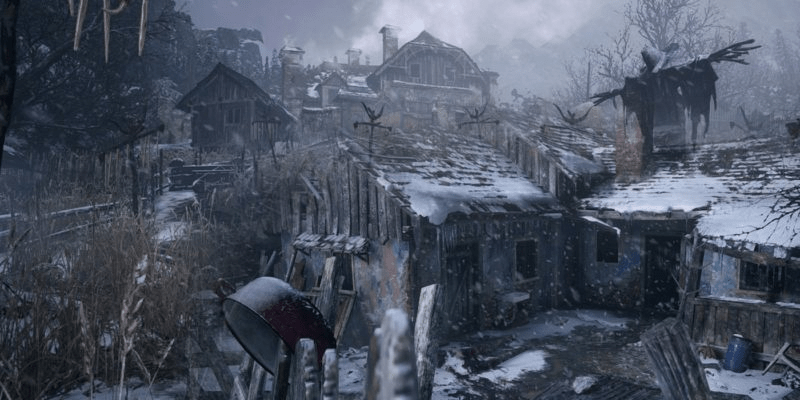
Figure 1: The Lived-in Rural Setting of RE:Village
Image Source: https://www.fiercepc.co.uk/blog/industry-news/resident-evil-village?srsltid=AfmBOoohrppST-RSA-wPnxyJL6wpQR5zSTC05eITpKDUbr4zZttUz3Cc
Each major region carries its own look and personality. Gothic castles, unsettling interiors, flooded ruins and industrial nightmares all stand apart instead of blending together. Hours later, you can still recognise areas purely by lighting and layout. The RE Engine does serious work here with shadow depth, reflections and texture detail, making environments consistently impressive without looking over-polished.
Exploration is genuinely rewarding. You often spot distant landmarks and later realise you will actually end up there, creating a satisfying sense of connection. Side rooms, hidden treasures and small environmental puzzles reward curiosity. Looting drawers, smashing crates and checking every corner quickly becomes instinct. Nowhere feels fully safe, not even the merchant’s shop, which keeps tension simmering even during quiet stretches.
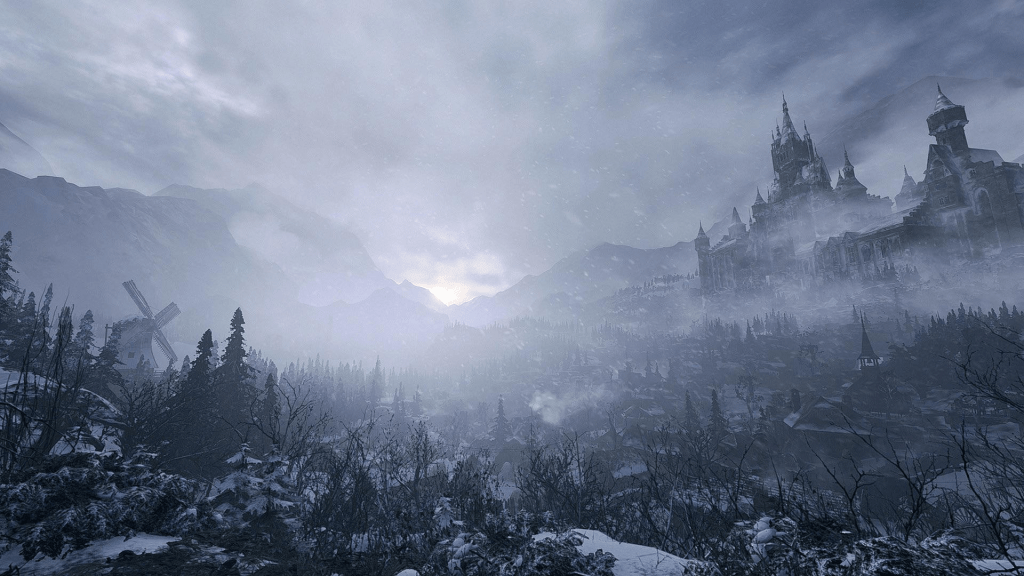
Figure 2: The Castle in the Distance, A Landmark You’ll Explore Later
Image Source: https://www.reddit.com/r/residentevil/comments/1gz608n/is_it_just_me_or_did_it_feel_like_the_setting_of/
Puzzles are fairly scarce, but the few that appear are simple and enjoyable, usually tied to environmental interaction rather than stopping the pace entirely. They act more like brief mental breaks than full roadblocks.
Combat and Weapons — Effective Encounters, Forgettable Firepower
Village nails the survival loop. Crafting ammo mid-panic, juggling items in a limited inventory, and barricading doors bring back that classic Resident Evil stress in the best way. The merchant system adds a steady sense of growth through purchasing weapon upgrades, and cooking meals for permanent stat boosts, making each return visit feel worthwhile rather than grindy.

Figure 3: Weapon Upgrades Screen in the Merchant’s Shop
Image Source: https://www.inverse.com/gaming/resident-evil-village-best-upgrades-infinite-ammo-exploit-lei-guide
The gunplay is where things flatten slightly. Weapons like the M1911 handgun or VP70 machine pistol are perfectly functional, but they lack the distinct personality that made Resident Evil 4’s arsenal so memorable. In RE4, fully upgrading a weapon would unlock a unique exclusive upgrade, giving each gun a clear identity and long-term payoff.
Village’s upgrades mostly improve stats rather than changing how a weapon feels, and the heavy use of real-world naming conventions makes the arsenal come across more like standard military hardware than the quirky, signature weapons the series is known for. The guns are effective, they just don’t feel especially unique or characterful.
On higher difficulties, enemies can also become bullet sponges, absorbing large amounts of damage with minimal flinch or stagger. This is more of a balancing issue than a weapon issue, but it still affects the overall feel of combat. Instead of tension coming purely from positioning or precision, the challenge can sometimes shift toward feeling underpowered rather than outplayed.
On the plus side, enemy variety is much stronger than Resident Evil 7. You are not stuck fighting the same creature repeatedly, and the changing roster helps encounters stay fresh throughout the game. Early on you are dealing with Lycans that rush, flank and climb over obstacles, forcing you to stay mobile rather than simply hold a doorway. Later, more armoured or mutated enemies start appearing that require different tactics, whether that is aiming for weak points, switching weapons, or managing distance more carefully.

Figure 4: Various Unique Enemy Types (+ Plenty of Others)
Image Source: https://bogleech.com/halloween/hall21-re8
While some attack patterns can feel irritating during a first playthrough (especially enemies that soak damage or close gaps very quickly), the overall mix prevents the fatigue that RE7 sometimes suffered from with its limited enemy pool. You rarely get the feeling of “not this again,” because each new area tends to introduce at least one new threat type or variation, which keeps tension and curiosity alive instead of turning encounters into routine target practice.
Outside the main story, Mercenaries Mode offers a fast-paced, score-chasing combat challenge that leans fully into the action side of Village. It can be tough as nails, especially with Ethan’s limited starting loadout on later maps, but it is undeniably addictive if you enjoy optimising runs and pushing for higher ranks.
It is also worth noting that the DLC expands this mode with additional playable characters who are far more powerful, alongside a third-person camera option for the main game. It also introduces a separate story expansion set after the events of Village’s main campaign, though third-person does not extend to Mercenaries mode. I did not play the DLC myself as it is not included with the Game Pass base version, but its additions are substantial enough that they are worth being aware of if you end up enjoying the core experience.
Boss Fights and Set Pieces — The Heart of Resident Evil
When Village wants to impress, it really commits. Boss fights are big, loud and cinematic, often feeling like full event moments rather than simple roadblocks. The game is good at signalling when you are about to enter a tense horror stretch versus a full-blown action showdown, which keeps pacing from feeling random. That rhythm of dread followed by explosive confrontation has always been a staple of Resident Evil, and Village leans into it confidently.
Some villains could have used more development or screen time, as the game’s ambition occasionally stretches thin, but their visual presence and arena design still leave a strong impression. Despite this, the overall structure flows well between exploration, combat and spectacle, keeping momentum steady from one major encounter to the next, a formula that feels unmistakably Resident Evil at its core.
Sound and Atmosphere — Atmosphere Over Anthems
Village leans heavily on ambient sound design rather than memorable musical themes. Crunching snow, distant creaks and sudden audio spikes do an excellent job building unease and keeping you on edge moment to moment. The atmosphere is consistently effective, especially when paired with quieter exploration segments where every footstep feels amplified.
However, once the credits roll, there are very few tracks that linger in your head. The music serves the experience perfectly while you’re playing, but it rarely stands out on its own. It is excellent for immersion, just not particularly iconic or memorable in the long term.
Accessibility and Settings — Needs a Few More Herbs
Village offers a respectable range of accessibility and comfort options, covering most essentials, though a few key modern features are noticeably absent.
Strengths
- Subtitle customisation — size, colour and background opacity
- HUD and reticule options — visibility toggles and colour adjustments
- Camera controls — speed, inversion and wobble reduction
- General comfort settings — brightness, volume sliders and vibration intensity
Limitations
- No full button remapping, only preset control schemes
- Stick-click reliance for sprinting and crouching across all schemes
- Limited colour-blind support, beyond basic reticule and subtitle colour changes
Village covers the core comfort features well, especially subtitle and camera adjustments, which noticeably improve readability and motion comfort. HUD and reticule options are also helpful if you prefer a cleaner screen or stronger visibility.
Where it stumbles is control flexibility and visual accessibility depth. The lack of full button remapping feels outdated, relying on stick clicks for sprinting and crouching can become uncomfortable over longer sessions, and the absence of proper colour-blind modes stands out as a surprising omission for a modern title.
It is far from inaccessible, but it is also not leading the industry in accessibility support.
Final Verdict — The Village Still Bites!
Resident Evil Village is not flawless, but it is very easy to like. The story has uneven moments, a few characters feel underused, and the weapons never quite reach the iconic personality of earlier entries, yet those shortcomings rarely overshadow what the game does well. The world design is consistently stunning, exploration feels rewarding rather than padded, and the blend of creeping horror with louder action keeps the experience engaging from start to finish. Combat is frequent and genuinely fun, giving you plenty of opportunities to experiment with your arsenal and fight back rather than constantly hide. Even when certain elements wobble, the atmosphere, pacing and steady stream of encounters pull you straight back in.
It might not fully capture the pure dread of Resident Evil 7 or the weapon identity of Resident Evil 4, but it lands comfortably between the two, carving out its own space as a bigger, more action-leaning evolution of the formula. I still enjoyed my time with it quite a lot, even if it never completely blew me away. Its flaws are noticeable, but its strengths are louder and more stylish, making Village a survival horror experience that remains consistently engaging, even if it does not quite reach the series’ highest peaks.
Playtime: ~26 Hours
Gamerscore: 1000 / 1190
Base Game Achievements: 49 / 49
Personal Rating: 3.5 / 5




 Kirbylife Game Research & Reviews
Leave a comment