

Note: I have not yet played the Director’s Cut DLC content, so this review focuses solely on the base game experience.
Ghost of Tsushima has been showered with praise since its release, and with the Director’s Cut, Sucker Punch has delivered the definitive version of their samurai epic. I played this in preparation for Ghost of Yotei, drawn in by its cinematic presentation, breathtaking art direction, and a world that feels tailor-made for screenshots.
The opening hours are superb. The story begins with immediate urgency, the combat feels weighty and lethal, and the mixture of stealth and swordplay draws you in quickly. The sound design pulls its weight too, from the wind rushing over the hills to the ring of steel in duels. At first, I felt I was playing something truly special. Unfortunately, the spark did not last. After 10 hours or so, I realised I was forcing myself to come back rather than being drawn in naturally, and the cracks in the experience began to show.
A World Painted to Perfection
The game is undeniably a visual triumph. Vast fields of pampas grass sway in the breeze, forests drip in autumn reds, and storms crawl across the horizon like brushstrokes on a living painting. Even mundane travel feels dramatic. The armour designs and cosmetic options are bold and stylish without tipping into excess. The haiku spots, standoffs, and duels are highlights, offering either quiet reflection or tense, cinematic showdowns.
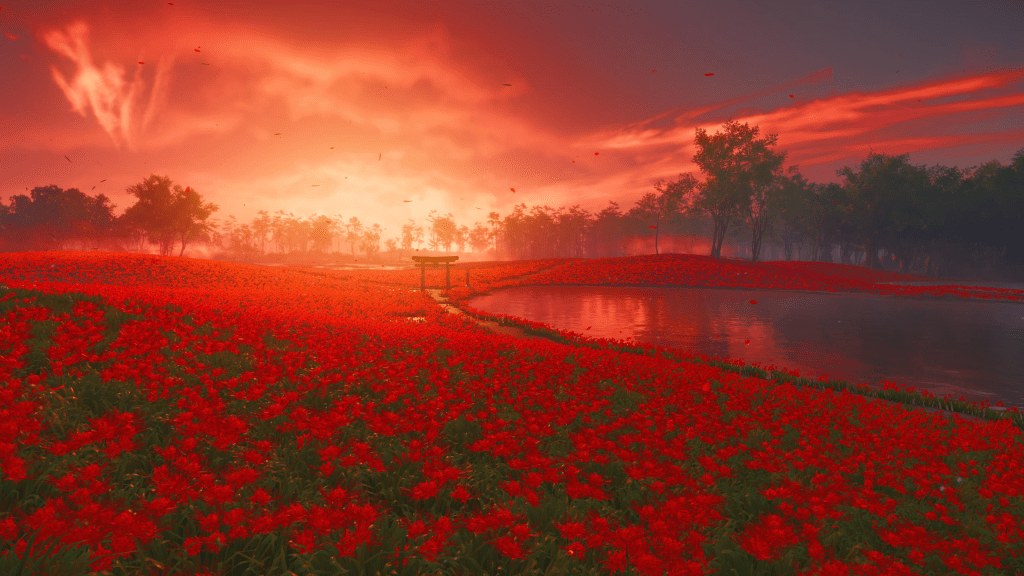
Figure 1: Stunning Scenery in the World of Ghost of Tsushima
Image Source: https://www.reddit.com/r/ghostoftsushima/comments/12o3s7v/ghost_of_tsushima_is_still_the_most_beautiful/
For players seeking an even more cinematic experience, Ghost of Tsushima includes a Japanese audio option that adds cultural authenticity. Coupled with the “Kurosawa Mode”, a black-and-white filter inspired by classic samurai films, the game truly captures the feel of a legendary samurai movie by director Akira Kurosawa, who was a major inspiration for the game.
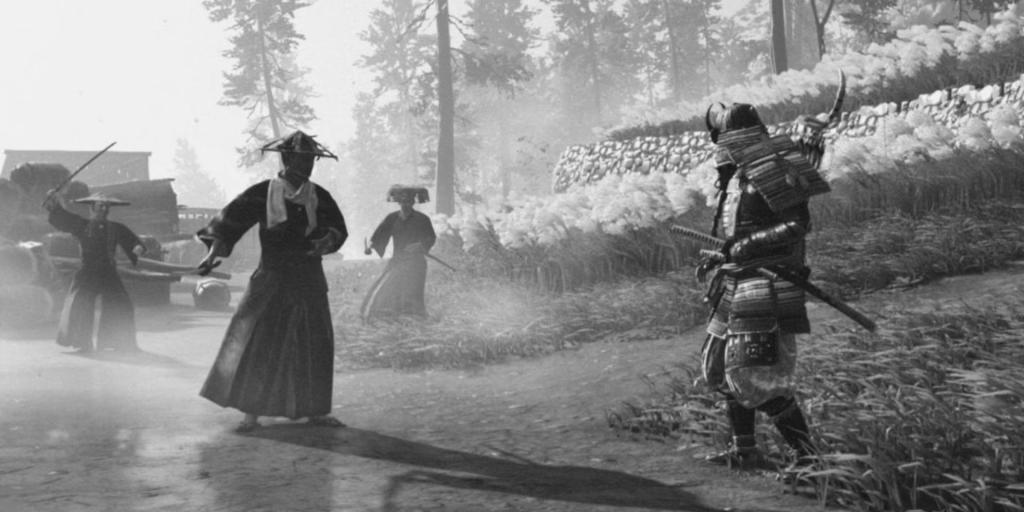
Figure 2: Kurosawa Mode in Ghost of Tsushima
Image Source: https://www.dualshockers.com/ghost-of-tsushima-kurosawa-mode/
The Grind Beneath the Surface
Unfortunately, the beauty masks a structure that quickly becomes predictable. Much of the game boils down to a formula: ride to a location, kill some Mongols, follow tracks, kill more Mongols, speak to an NPC, and end with another fight. Side missions rarely surprise, with variations on this same loop.
Patrols constantly interrupt travel, and rather than feeling like organic threats, they quickly become irritating roadblocks. Their sheer frequency means it is almost impossible to journey across the map without being stopped repeatedly. Instead of adding tension or excitement, these encounters feel more like chores, breaking the flow of exploration and turning what should be a smooth experience into a frustrating slog. Because patrols are so common, it can take a disproportionate amount of time just to get from one point to another, which detracts from the sense of freedom and immersion the game strives to create.
The open world is packed with activities, yet many feel like filler content rather than meaningful experiences. Fox dens, bamboo strikes, hot springs, and enemy camps repeat constantly with little variation, making exploration tedious, bland, and repetitive. Instead of inspiring genuine curiosity or rewarding exploration, it becomes a mechanical checklist to tick off, diminishing the sense of wonder and variety.
The guiding wind, (a gentle breeze that directs you toward your waypoint marker without cluttering the screen,) is a pleasant novelty at first, offering a minimalistic style that limits the use of traditional objective indicators. Instead, a visible gust of wind guides the protagonist toward his objective, with an additional indicator appearing only when he is within 20 feet of the target. However, it’s not always immediately clear which way the wind is pointing, sometimes causing confusion during navigation.
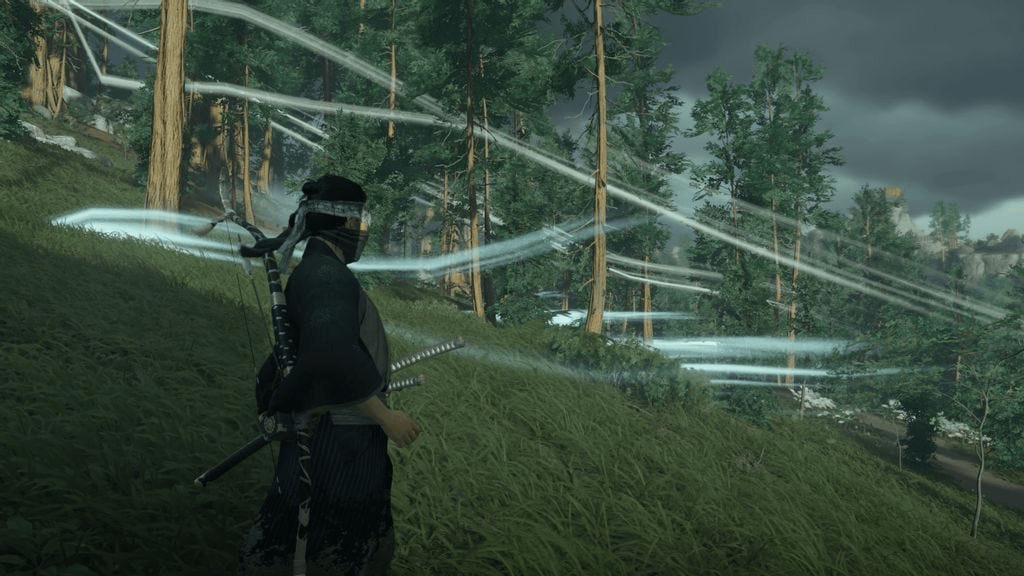
Figure 2: The Guiding Wind Leading the Player to Their Objective
Image Source: https://medium.com/super-jump/ghost-of-tsushima-refines-the-assassins-creed-experience-269c87fb19d6
An Island of Empty Beauty
The island itself is gorgeous, boasting stunning landscapes and beautiful vistas, but it feels strangely lifeless. Towns and villages are static, with NPCs delivering their lines stiffly while the camera remains motionless, adding to a sense of artificiality. Interiors are sparse and lacking in detail, offering little to draw you in. There is no real feeling of a world living and breathing independently outside of your presence.
Wildlife is disappointingly limited, featuring only three species, bears, boars, and dogs. They feel more like resources for crafting than part of a vibrant ecosystem. Even the boars fail to behave naturally, rarely showing any aggression or threat. The absence of dynamic events or unexpected discoveries means that after a few hours, the world feels thoroughly explored and predictable.
Combat: Sharp but Flawed
Combat shines most in duels and standoffs, where the tension is palpable and every move demands timing and precision. These moments feel deliberate and intense, capturing the spirit of a samurai’s code. The player must carefully read their opponent’s stance and attacks, making each parry and counter meaningful. However, outside these focused encounters, combat often loses its edge.
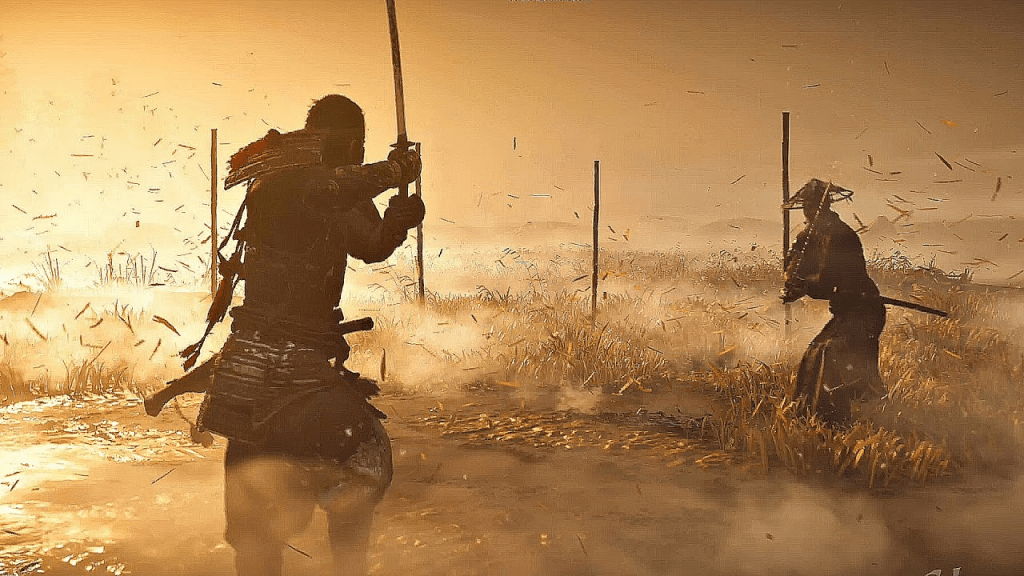
Figure 3: Player Duelling in Ghost of Tsushima
Image Source: https://www.youtube.com/watch?v=iJ_cMSxZ6Do&pp=0gcJCfwAo7VqN5tD
In larger skirmishes, the flaws become more apparent. Targeting can be inconsistent, and stance switching mid-combo frequently fails if done too quickly, disrupting the flow of battle. The camera’s erratic zooming often causes a loss of situational awareness, making it harder to keep track of multiple enemies. Enemy variety remains thin, and despite the presence of the stance system, fights quickly become formulaic. Cycling through throwable weapons or bow types feels clunky and interrupts the pace during frantic moments.
Even with a world full of hostiles, I found myself avoiding combat later in the game, as the repetitive encounters began to outweigh any thrill. The “Ghost” stealth playstyle, while an interesting alternative, feels underdeveloped and borrows heavily from older Assassin’s Creed titles without adding much fresh innovation.
Traversal and Familiarity: Polished but Predictable
Moving through the environment is simple and straightforward, but rarely exciting. Climbing routes are clearly marked and almost entirely linear, offering little room for improvisation or discovery. There is no challenge or variety to traversal, and no meaningful reward for taking the longer or less obvious paths.

Figure 4: Climbing Walls Clearly Marked in Ghost of Tsushima
Image Source: https://www.lowyat.net/2020/216865/ghost-of-tsushima-review/
The game often feels too familiar, reminiscent of modern Assassin’s Creed titles, only more polished and visually stunning. However, this polish does little to mask the fact that the design rarely strays from well-worn open-world formulas. By the ten-hour mark, you have seen most of what the game offers, and unlike The Witcher 3, Red Dead Redemption 2, or Breath of the Wild, there is little to surprise or tempt you off the main path.
A Soundtrack That Complements Without Overwhelming
The soundtrack fits the setting like a glove, blending traditional Japanese instruments with sweeping orchestral arrangements. The craftsmanship is obvious, and It adds weight and atmosphere without overpowering the moment.
The music was composed by Ilan Eshkeri and Shigeru Umebayashi, who together won a D.I.C.E. Award for Outstanding Achievement in Original Music Composition for Ghost of Tsushima. Eshkeri brought his expertise in blending traditional and orchestral sounds. Umebayashi contributed to the authentic feel of the soundtrack. Their collaboration ensures a richly textured and immersive musical experience, rooted in respect for the cultural setting.
Accessibility: Genuine Effort, Mixed Results
Ghost of Tsushima Director’s Cut introduces a range of accessibility options that demonstrate a clear commitment to making the game more inclusive, though some features fall short in practice.
Pros:
● Large subtitle and UI text greatly enhance legibility, with subtitles during cutscenes for easier reading.
● Guiding wind visibility is supported by directional haptics on the DualSense controller, subtly guiding players in real-time and potentially aiding blind or low-vision players.
● Enhanced combat cue visibility helps make fights clearer, while a lock-on mode adds targeting assistance.
● Haptic feedback during survey instances helps players locate key areas, and new control schemes offer more choice.
● DualSense speaker support adds immersive audio cues benefiting hard of hearing players.
Cons:
● Lock-on mode requires manual reactivation each time a new enemy group appears, disrupting gameplay flow.
● Button prompts aren’t Coloured, They’re black and white. This makes quick reactions harder for players who rely on colour association.
● Tracking footprints during quests is difficult due to a lack of clearer visual indicators or assists.
● There is no option to simplify or remove rapid button press sequences in bamboo stand challenges, limiting accessibility for players with motor difficulties.
● Players must swipe the touchpad to activate the guiding wind, which can be inconvenient for some players.
While many of these accessibility improvements enhance the gameplay experience, the persistence of certain frustrating design choices means there is still room for refinement to make the game truly accessible to all players.
Final Verdict: A Stunning Experience That Struggles to Sustain Momentum
Ghost of Tsushima: Director’s Cut offers breathtaking visuals, immersive sound, and tense, satisfying duels that capture the samurai spirit. The accessibility improvements show genuine care, making the game more approachable. However, repetitive mission design, limited enemy variety, and predictable traversal dilute the overall experience. While it shines in moments, the game rarely breaks free from familiar open-world conventions, leaving a polished but somewhat hollow impression.
Rating: 3.5/5
Playtime: 50 Hours
Trophies: 52/52 (Base Game) (Platinum)



 Kirbylife Game Research & Reviews
Leave a comment