
Note: This review contains mild spoilers.
I first played A Way Out with a close friend when Hazelight Studios was still finding its feet. Its cinematic co-op storytelling reinvigorated local multiplayer, making it feel vital again. Years later, my partner and I tackled It Takes Two, a game that perfected that formula with warmth, humour, and boundless creativity, even earning Game of the Year.. So when Split Fiction arrived, we were eager for another unforgettable journey.
Hazelight has built a reputation for exploring human connection through interactive storytelling, and Split Fiction is their most daring step yet. It’s a tale of two people and two worlds striving to reconnect, woven through a dynamic interplay of reality and imagination.
Two Realities, One Story
At its heart, Split Fiction follows Mio Hudson and Zoe Foster, aspiring authors lured to Rader Publishing under the pretence of a book deal. Their dreams unravel when they’re trapped in a simulation of their own stories, crafted by a machine stealing their creative ideas. Mio’s sleek sci-fi landscapes clash with Zoe’s whimsical fantasy realms as they collaborate to escape and uncover the machine’s true purpose.
You and your co-op partner embody these split perspectives. Mio’s sections pulse with futuristic cityscapes, neon-lit chases, and high-tech gadgets, demanding precise platforming and quick reflexes. Zoe’s world, by contrast, is a lush tapestry of enchanted forests, mythical creatures, and intricate puzzles rooted in folklore.
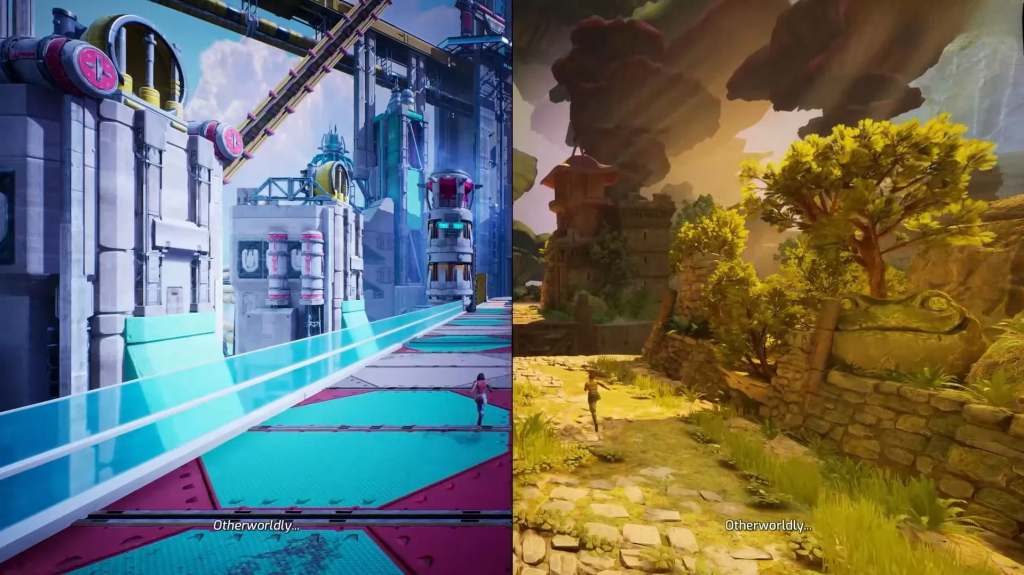
Figure 1: Mio’s sci-fi world (left) and Zoe’s fantasy realm (right)
Image Source: https://www.sportskeeda.com/esports/split-fiction-chapter-8-a-warm-greeting-walkthrough
The worlds are teeming with references to other game franchises, from Halo, Cyberpunk, Dark Souls, Crash Bandicoot, Spyro, Portal, Harry Potter, and Sailor Moon, to countless others. These touches are scattered throughout the environments, giving fans of various genres some fun easter eggs to find, and adding playful depth to the levels.
Gameplay: Creative, Emotional, and Occasionally Uneven
Hazelight excels at variety. Each chapter introduces unique mechanics tailored to each player, fostering genuine cooperation. For instance, in one sequence, Mio navigates a collapsing space station using magnetic boots to shift platforms, while Zoe solves a riddle-based lock guarded by animated statues, requiring both players to synchronise their actions. These moments keep Split Fiction unpredictable, feeling like a true co-op conversation rather than a repetitive routine.
The level design reflects each protagonist’s emotional journey. Mio’s worlds are cold, metallic, and structured, emphasising logic and momentum. Zoe’s are soft and organic, with fractured dreamscapes that evoke wonder.
However, Split Fiction stumbles with uneven pacing. The first five chapters burst with side stories, delightful, short missions penned by Mio and Zoe themselves, woven into the main quest. These are often fun vignettes, like a madcap chase through a dragon’s library or a quirky robot dance-off, which shake up the pace with bursts of humour and charm. Their absence after Chapter 5 dims the playful discovery that makes the early game so vibrant. Still, every mechanic remains tightly bound to the story, ensuring even quieter moments feel deeply engaging.
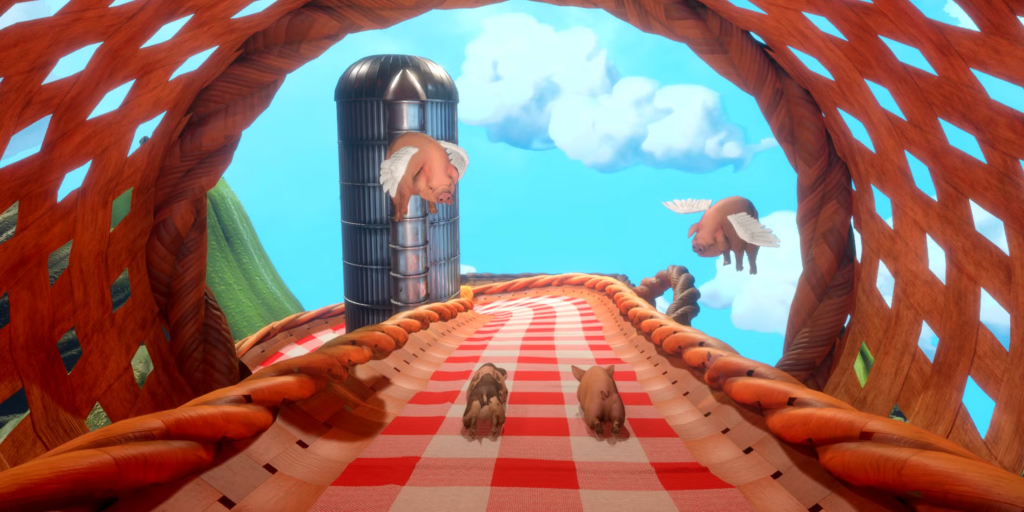
Figure 2: A side story where you play as pigs
Image Source: https://gamerant.com/split-fiction-all-side-stories-unlock-every-side-story/
The final act of Split Fiction is nothing short of mind-blowing. Without venturing into spoiler territory, it’s a whirlwind of emotional stakes and gameplay innovation that pushes Hazelight’s vision to dazzling heights. Unexpected mechanics and heart-pounding moments, blending sci-fi intensity with fantastical wonder in ways that feel utterly insane yet perfectly cohesive. It’s a brilliant crescendo that leaves you and your co-op partner breathless, cementing the game’s place as a tour de force in cooperative storytelling.
The absence of 1v1 mini-games, a highlight of It Takes Two, is keenly felt. In It Takes Two, players could face off in 25 competitive challenges like Whack-a-Cody or Tug of War, with a scoring board tracking victories for bragging rights. These replayable, fun diversions added a layer of co-op banter and friendly rivalry. Split Fiction opts for races in some side stories, but they lack the same competitive thrill. Including a few 1v1 mini-games, perhaps a sci-fi laser duel or a magical spell-casting contest, could have elevated the playful spark and kept the co-op dynamic fresh throughout.
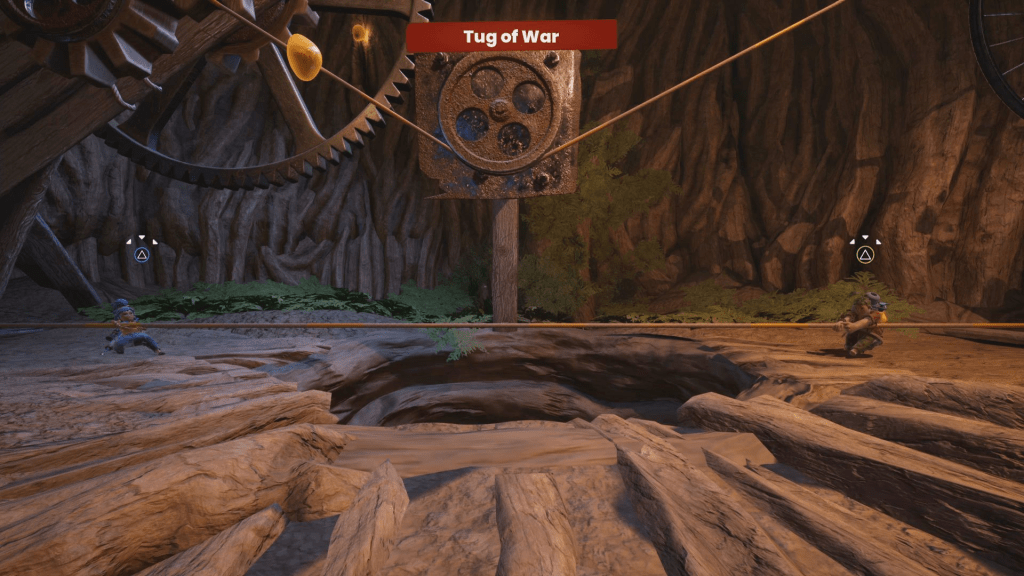
Figure 3: Tug of War minigame in “It Takes Two”
Image Source: https://foggyproductions.com/reviews/fullreview/it-takes-two
Equally missed are the interactive elements scattered across It Takes Two’s open areas, like the magic castle where every corner offered laughs and gags. Split Fiction includes some missable gimmicks, like hidden critters or interactive statues in Zoe’s fantasy realms, but these playful diversions are too few. More of these lighthearted interactions, separate from the side stories, could have infused the open world with the charm and humour that made It Takes Two so endlessly engaging.
Soundtrack & Audio
The soundtrack, crafted by Gustaf Grefberg and Jonatan Järpehag, is a triumph, perfectly capturing the game’s emotional depth. Zoe’s realms are underscored by ethereal strings and delicate piano, evoking intimacy and myth, while Mio’s pulse with synth-driven rhythms and percussive tension, conveying precision.
As the worlds merge, these musical themes intertwine, blending fantasy and electronic elements to symbolise reconciliation. The sound design, from the scratch of a quill to the hum of futuristic machinery, grounds the dual worlds with immersive detail.
Accessibility & UX Overview
Hazelight’s commitment to inclusive design is exemplary. Accessibility is seamlessly integrated into the game’s philosophy, ensuring comfort and inclusivity for all players.
Pros:
● Fully remappable controls with independent profiles for each player, allowing tailored inputs for both co-op partners
● Options to toggle or auto-complete QTEs, ensuring players of varying abilities can progress smoothly
● Adjustable camera sensitivity, with screen shake and motion blur toggles, enhancing comfort for motion-sensitive players
● A skip-to-checkpoint feature, letting players bypass tough sections without losing narrative momentum
● Clear captions detailing tone, music, and sound cues, aiding players with hearing impairments
● Colour-coded cues paired with shapes for colour-blind players, ensuring visual clarity for all
● Frequent autosaves, safeguarding progress during extended co-op sessions
● Friend Pass support, enhancing affordability by allowing one purchase for two players
Cons:
● No subtitle resizing options, which may affect players with visual impairments needing larger text
● Complex late-game inputs that may challenge those with fine motor limitations, requiring precise timing
● Occasional visual clutter during high-intensity sequences, potentially causing sensory overload for some players
These features feel unobtrusive and thoughtful, elevating the experience without compromise.
Final Thoughts
Split Fiction builds on the brilliance of It Takes Two, offering immersive worlds, clever co-op mechanics, and emotional storytelling. While a few pacing hiccups and missing side stories slightly hold it back, the game is fun, heartfelt, and unforgettable.
I personally believe Split Fiction is slightly better than its predecessor and fully deserving of a Game of the Year nomination. Hazelight proves once again they know how to marry mechanics and emotion, creating a co-op experience at the top of it’s genre.
Rating: 4.5/5
Time Played: 19 Hours
Achievements: 17/20


 Kirbylife Game Research & Reviews
Leave a comment