

Introduction: Returning to a Masterpiece
The announcement of Hollow Knight: Silksong sparked a huge anticipation, building upon the critical success of Hollow Knight, a title that set a high standard for the Metroidvania genre. Having invested approximately 50 hours to achieve 100% completion, conquering all bosses, and collecting every tool and upgrade, I can assert with confidence that Team Cherry has delivered a remarkable experience yet again.
Available for £16.74 or accessible via Xbox Game Pass, Silksong retains the core essence of Hollow Knight while introducing distinct elements that define its identity. The world of Pharloom is visually striking, atmospheric, and meticulously crafted, establishing this title as one of the standout releases of the year, and expected to be a game of the year contender. This spoiler-free review provides a formal analysis of Silksong on the Xbox Series X, drawing comparisons directly with it’s predecessor, Hollow Knight; addressing discussions surrounding its gameplay, difficulty, and exploring accessibility features.
Movement and Combat: Fast, Fluid, and Fun
Hornet’s movement in Silksong contrasts with the Knight’s approach in Hollow Knight. While Hollow Knight emphasised deliberate, calculated movement, Silksong prioritises swift, agile navigation, encouraging a more reactive and aggressive playstyle. Initially, I approached combat cautiously, as I did in Hollow Knight, and faced challenges from many enemies dealing two masks of damage, a frequently discussed aspect among players. In contrast to Hollow Knight, where double-mask damage was typically reserved for the strongest enemies and bosses, Silksong makes this a more common occurrence among regular foes, heightening the stakes in encounters.
This is balanced by Hornet’s enhanced healing, which restores three masks at once via a full silk charge, compared to the Knight’s single-mask Focus in Hollow Knight. To build silk for healing or skills, Hornet must strike enemies nine times, a steeper requirement than the Knight’s three nail strikes to gain enough soul for a heal in Hollow Knight. This higher threshold in Silksong promotes sustained aggression to maintain momentum, aligning with Hornet’s fast-paced combat style. Hornet is also able to heal whilst suspended in mid-air, which I don’t believe Knight could do in the original.

Figure 1: Hornet healing whilst in mid-air
Image Source: https://gamerant.com/hollow-knight-silksong-new-features-mechanics-confirmed/
Adapting to Hornet’s fast-paced mechanics, such as dashing toward enemies to strike and dashing away to evade attacks, or using diagonal pogos to attack from above, transformed the combat experience into an engaging challenge.
the crest system in Silksong differs from Hollow Knight’s charm system, offering customisation of Hornet’s attacks, movement, and tool slots to suit individual playstyles. Each crest enhances combat through unique effects, such as faster swings, critical hits, or increased silk production, enabling diverse strategies for bosses and enemies. Certain crests modify pogo animations to facilitate platforming, adjusting range or speed for smoother navigation, while others amplify tool effectiveness, such as triggering multiple activations or enhancing damage output. This flexible system encourages experimentation, allowing players to adapt builds for specific encounters or exploration challenges, with crests providing dedicated slots for Red, Blue, and Yellow tools. Players can further expand tool slots using a memory locket, unlocking additional spaces to equip more tools, seamlessly integrating with Hornet’s dynamic gameplay.
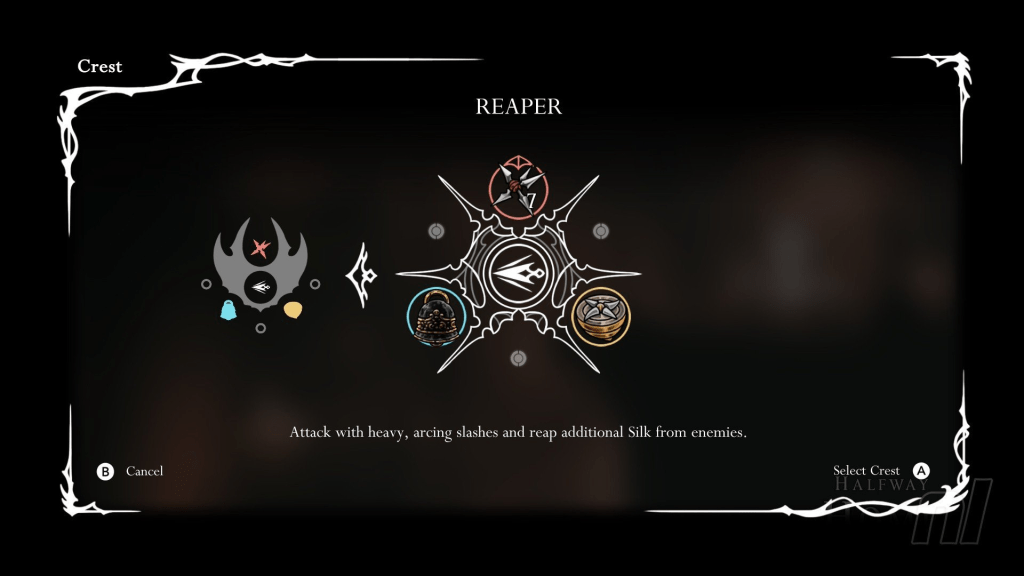
Figure 2: The reaper crest with a tool of each colour equipped
Image Source: https://www.nintendolife.com/guides/hollow-knight-silksong-crests-guide-all-crest-locations-and-effects
Tools, Loadouts, and Strategy
Silksong introduces a tool system, which contrasts with Hollow Knight’s spell mechanics, adding strategic depth to combat and exploration. Tools are categorised into Red (offensive, such as projectiles), Blue (defensive or utility-focused), and Yellow (exploration-oriented). Unlike Hollow Knight’s soul-dependent spells, tools rely on shell shards, replenished at benches or purchased from merchants.
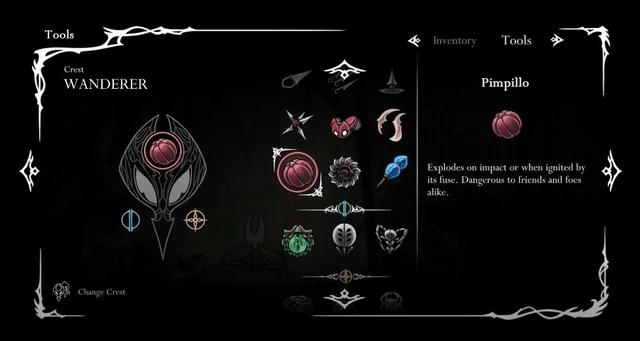
Figure 3: Description of an attacking tool (pimpillo) in the tools menu
Image Source: https://www.reddit.com/r/Silksong/comments/1bgbz7n/can_we_talk_about_the_tool_system/
A common oversight among players is underutilising tools, concluding encounters with unused shards. Engaging with the tool system is essential, tools like projectiles or defensive options can significantly alter battle outcomes.
Currency and Shard Management
In Silksong, beads serve as the primary currency, replacing Hollow Knight’s geo, and are used to acquire shard packs and rosary strings, which act as portable currency banks. For example, a 60-bead string comes at the cost of 80 beads, offering a safer way to store currency, but losing 20 beads in the process, but you can find larger and smaller rosary bead strings throughout Pharloom.

Figure 4: A frayed rosary string containing 30 roasry beads
Image Source: https://primagames.com/tips/should-you-break-the-frayed-rosary-string-in-hollow-knight-silksong
Unlike Hollow Knight, where players must fight a shade to retrieve geo after death, Silksong allows players to reclaim their beads without any resistance, making the process significantly less gruelling.
Boss and Enemy Design: Dynamic and Visually Striking
Bosses and enemies in Silksong are designed as centrepieces of the experience, blending striking visuals with demanding, reactive combat. Regular encounters keep players sharp, while bosses deliver set-piece challenges that feel both memorable and distinct. Enemies rarely act as static obstacles: they dodge, close distance, and strike in patterns that reward patience and aggression, though this can tip into frustration when arenas become crowded or attacks feel poorly telegraphed.
One of my largest criticisms is the punishment for contact damage. Losing two masks of health simply for brushing against an enemy that isn’t attacking feels disproportionate, particularly early on, making minor mistakes highly punishing and leaving regular foes feeling as dangerous as bosses.
The pacing of bosses is otherwise excellent. Fights grow gradually harder across each act, creating a sense of steady progression without ever forcing me to grind or leave fights for later, though that option was always there. Even the toughest encounters felt fun, engaging, and rewarding, pushing me without ever shutting me out. I also love how, like in Hollow Knight, bosses have no visible health bar. Instead, they become more aggressive and show damage through animations and behaviour, making every fight feel intense and leaving you never quite sure when that final blow will land.
Not every introduction is smooth, though. Some bosses are locked behind multiple waves of tough enemies before they even appear, often leaving you with little health for the main fight. Unlike most games, these bosses are rarely forgiving, and if you die you must repeat the entire gauntlet, sometimes enduring five or six waves before another attempt. Combined with the occasional long and brutal runback, these stretches can drag, adding frustration and breaking momentum.
One particular arena stands out as the most brutal challenge I faced: a lengthy gauntlet where the fight escalated far beyond expectations, pushing my health, resources, and patience to the limit. Moments like this underline how Silksong isn’t afraid to be merciless, and while it was exhilarating, it was also exhausting.
Still, boss battles remain the game’s true highlights. Multi-phase duels in atmospheric arenas, paired with dramatic music and animations, deliver an incredible sense of spectacle. Despite the rough edges, Silksong consistently makes every battle feel like it carries weight and consequence. Regular enemies encourage adaptability, bosses demand mastery, and the result is a combat loop that is punishing yet satisfying, dynamic, and deeply memorable.
Platforming: Brutal but Rewarding
Silksong’s platforming is a clear step up in difficulty and precision. Hornet’s expanded toolkit, wall-climbing, silk dashes, and advanced mobility options, contrasts with the Knight’s more limited moveset, demanding sharper execution. Some sequences even require silk expenditure, which not only limits healing after death but also introduces a brief recovery delay when silk runs out, leaving Hornet suspended mid-air. This can make certain obstacles feel harder than they need to be, particularly in mandatory progression areas where less experienced players may struggle.

Figure 5: Platforming segment where Hornet has to pogo off of obstacles
Image Source: https://www.rockpapershotgun.com/hollow-knight-silksong-walkthrough-part-7
A further challenge comes from environmental hazards, which often inflict double damage compared to Hollow Knight’s single-damage obstacles. This amplifies the cost of mistakes and can make experimentation intimidating. Many players feel these hazards would be more accessible, and still punishing, if adjusted to single-mask damage instead.
Adding to the difficulty is the game’s lack of overt guidance on how to fully leverage Hornet’s toolkit. At times, I wasn’t even sure if I was progressing as intended, or simply cheesing my way forward with improvised techniques. Certain sequences demand using pogo attacks on enemies to gain height, yet the unpredictable movement of these foes can make success feel inconsistent. While frustrating in the moment, overcoming these challenges does deliver a strong sense of earned achievement, reinforcing the game’s ethos of mastery through persistence.
Exploration and Level Design
Pharloom offers a visually captivating and atmospheric world, distinct from Hollow Knight’s environments. Its diverse zones are intricately designed, with a larger map than it’s predecessor. Side quests, also called wishes, are a new feature in Silksong, which encourages revisiting areas for rewards, enhancing replayability. These wishes can vary from gathering items and drops from enemies, finding a missing npc, depositing materials, or fighting a boss that may be lurking in a place that was previously visited. These can be found either by talking to NPC’s or at a bulletin board found in various areas in Pharloom.
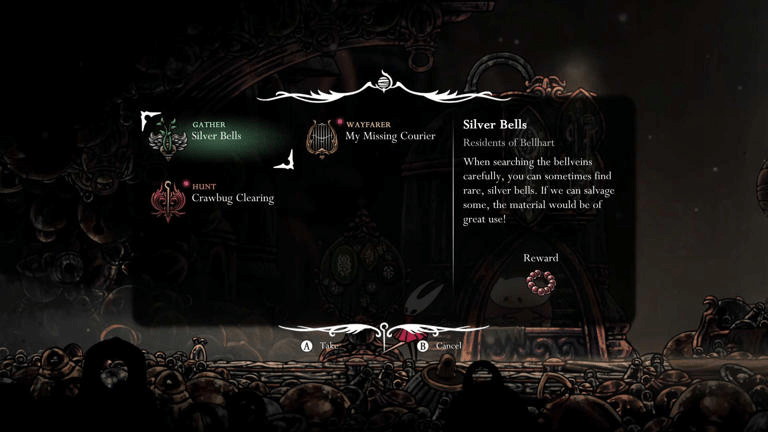
Figure 6: Side missions to accept at a bulletin board
Image Source: https://www.msn.com/en-us/news/technology/hollow-knight-silksong-silver-bells-quest/ar-AA1Matlh
Exploration can feel linear at times, with side paths leading to dead-ends or hazardous traps, differing from Hollow Knight’s more open exploration. Some rewards, such as a few beads, feel less impactful than Hollow Knight’s gear-based rewards, though certain finds maintain engagement, such as hidden areas or bosses. However, there are often multiple areas you can visit at once which keeps the mystery and exploration in the world alive.
The map system, consistent with Hollow Knight, requires purchasing outlines from a cartographer and updating them at benches, fostering a sense of discovery through subtle environmental cues. Some secrets are exceptionally hidden, potentially requiring external guidance.

Figure 7: A small segment of the map in Silksong
Image Source: https://hollowknightsilksong.wiki.fextralife.com/All+Map+Locations
Story, Music, and Atmosphere
Silksong continues the environmental storytelling that made Hollow Knight so captivating, unfolding its narrative through subtle NPC interactions, environmental detail, and careful observation. The story is enigmatic yet compelling, encouraging exploration and discovery rather than exposition, and making every narrative clue feel personally rewarding.
Visually, the world is hand-crafted and meticulous, with regions defined by contrasting palettes, lighting, and architecture. Animations enhance both gameplay and story: bosses grow more aggressive and show damage through behaviour, while regular enemies move with distinct, readable flourishes, making the world feel alive and reactive. This attention to detail heightens both immersion and tension.
Christopher Larkin’s soundtrack is a standout. During exploration, it delivers melancholic, reflective melodies, while boss and combat encounters feature tense, orchestral crescendos with strings, percussion, and choral elements that make fights feel cinematic and monumental. The dynamic use of silence and swelling music shapes emotional pacing, amplifying both quiet moments of awe and adrenaline-filled battles. the game feels like a place you truly inhabit, not a world that is alive, rewarding, and unforgettable.
Accessibility
Silksong’s accessibility features align closely with Hollow Knight’s framework without significant expansion. Below is a concise overview of accessibility pros and cons, based on available information:
Pros:
● Saving at Any Time: Players can save at benches or via menu-based auto-saving, ensuring progress is preserved when pausing or quitting.
● Screen Shake Reduction: A toggle reduces screen shake, helping players with motion sensitivity.
● Audio Customisation: Sliders for music, sound effects, and character vocalisations give players more control over audio.
● HUD Adjustment: The HUD can be resized or disabled, reducing visual clutter.
● 120 FPS Support: 120 FPS can improve motion clarity and reduce discomfort.
● Pause During Combat: Players can pause at any time, including during boss fights, accommodating sudden interruptions.
Cons:
● Precise Timing Required: Combat and platforming demand quick, precise inputs, which may be challenging for some players.
● No Adjustable Difficulty: There are no difficulty settings, which may challenge players seeking more accessible options.
● No Subtitle Customisation: Subtitles cannot be adjusted, limiting text accessibility.
● No Colourblind Modes: There is no colourblind support, which may affect visibility for some players.
● No Mono Audio: Only stereo sound is available, which can be an issue for players with one-sided hearing loss.
● Limited Button Remapping: In-game button remapping is unavailable, though system-level options may help.
Conclusion: A Masterpiece in Its Own Right
Hollow Knight: Silksong is a masterful Metroidvania with dynamic combat, agile movement, and challenging bosses, set in the meticulously crafted, atmospheric world of Pharloom and brought to life by stunning animations and Christopher Larkin’s soundtrack.
It delivers a thrilling, rewarding gameplay loop with flexible crest and tool systems, but its punishing platforming, tough hazards, and precise combat make it potentially too demanding for casual players, best suited for those willing to invest time and patience. Overall, Silksong not only lives up to its predecessor but also stands as an unforgettable experience, easily earning a place as a Game of the Year contender.
Rating: 5/5
Playtime: 47 Hours
Achievements: 47/52


 Kirbylife Game Research & Reviews
Leave a comment