

Spoiler-free review:
Blue Prince is the debut game from Dogubomb, a small indie studio founded by Tonda Ros. Initially a solo project, the core team grew to around 24 developers, including art director Davide Pellino and composers Trigg & Gusset. Development spanned eight years, funded by Ros’s savings and ad revenue from his Magic: The Gathering fan site, Mythic Spoiler.
Drawn in by high praise and whispers of indie GOTY potential, I dove into Blue Prince. For the first few hours, I genuinely didn’t know if I liked it. I was intrigued, confused, sometimes fascinated, and often frustrated. It felt like trying to learn a board game without the rulebook, not because it was missing, but because the designer decided you shouldn’t have it.
And yet, something kept pulling me back. I played cautiously, then obsessively. I took notes. I built theories. I failed. I reset. I failed again.
However, with 10+ hours and 50+ runs later, I “won”, at least in the game’s most basic, structural sense. I reached the end of a run, and I saw the credits, and I can now confidently say that Blue Prince is one of the most unique games I’ve played in recent years. But it’s also one of the most demanding, not in terms of difficulty, but in terms of what it asks from you.
This is a game that requires patience, curiosity, and maybe even a physical notebook. It’s stingy with feedback, and vague with its goals. It won’t work for everyone. And I’m still not sure it entirely worked for me.
But it is absolutely worth talking about.
Gameplay: Shaping the Mansion, One Decision at a Time
At a glance, Blue Prince is a game about navigating a mysterious mansion. But the twist is that you don’t explore a pre-designed space, you construct the mansion as you go, one room at a time, drawn from a hand of randomly offered options.
At its core, Blue Prince is a roguelite puzzle game. Each in-game day, you begin with 50 steps. Every time you move into or out of a room, a step is spent, even if you’ve visited that room before. You draft rooms from a limited selection and place them into the mansion one by one, constructing the layout as you explore. Once your steps run out, the day ends, and the loop resets. All tangible progress is lost, but your accumulated knowledge carries forward.
Each time you move to a new doorway in the mansion, you’re offered a choice of three rooms to draft, drawn from a large pool. Each room card can only be used once per run, once it’s placed, it’s out of circulation. Some rooms are free, and others cost gems, especially if they’re rare or more helpful rooms than others.
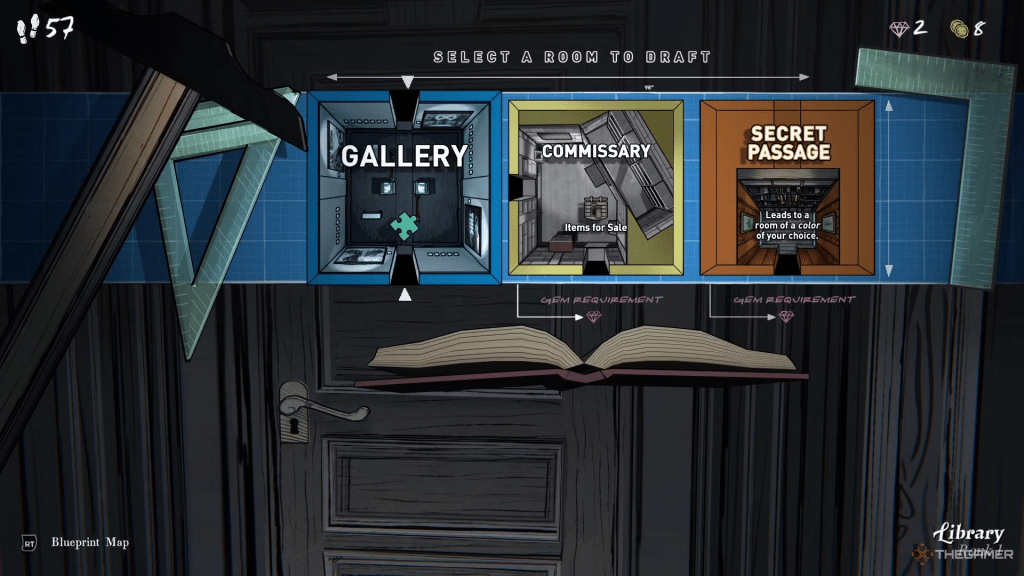
Figure 1: A drafting pool with 3 rooms to choose from
Image Source: https://www.thegamer.com/blue-prince-gallery-puzzle-answers-hints-guide/
As you push deeper north into the mansion, many rooms start requiring keys, making each decision riskier the further you go. Rooms vary in size and directionality: they can have one to four doors, one of which is always the entrance you came through. Because you’re building your mansion on a limited 5×9 grid, your choices are spatially constrained, doors that don’t line up can effectively wall off potential future rooms. This means strategic drafting and careful orientation are critical. You’re essentially solving a spatial, temporal, and mechanical puzzle at the same time… while blindfolded.
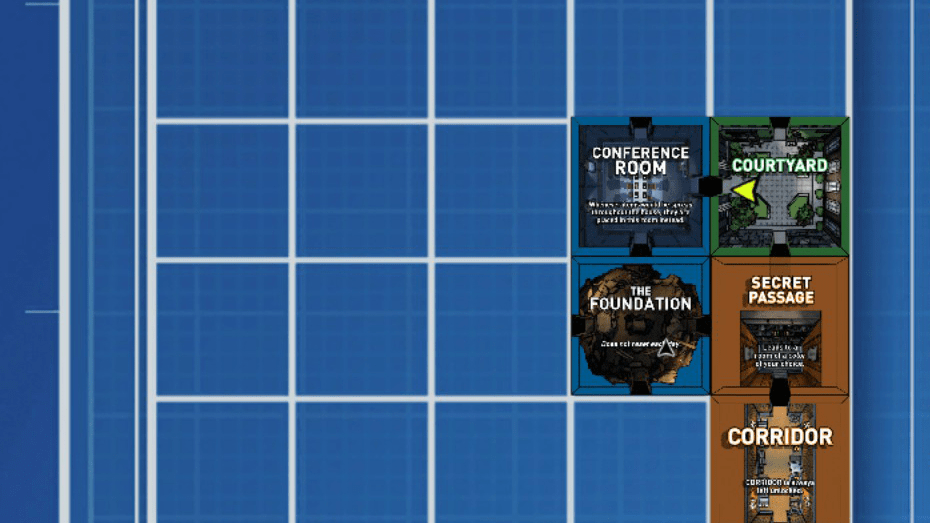
Figure 2: A zoomed in 5x𝟗 grid showing how the rooms can connect
Image Source: https://www.pcgamer.com/games/puzzle/blue-prince-foundation-elevator/
Throughout your runs, you’ll encounter a variety of basic tools that offer utility. Items such as the Shovel, allows you to dig in certain rooms, uncovering keys, gems, or other useful finds. The Sledgehammer can break open boxes and crates, sometimes revealing hidden items. The Lockpick Tool gives you a chance to bypass locked doors without spending a key, though its success isn’t guaranteed. These are just a few among a wider pool of tools that interact with the mansion’s systems in different ways, some more situational, some more strategic. While they won’t unravel the mansion’s deepest mysteries, mastering their uses can greatly improve your odds of surviving, progressing, and eventually succeeding.
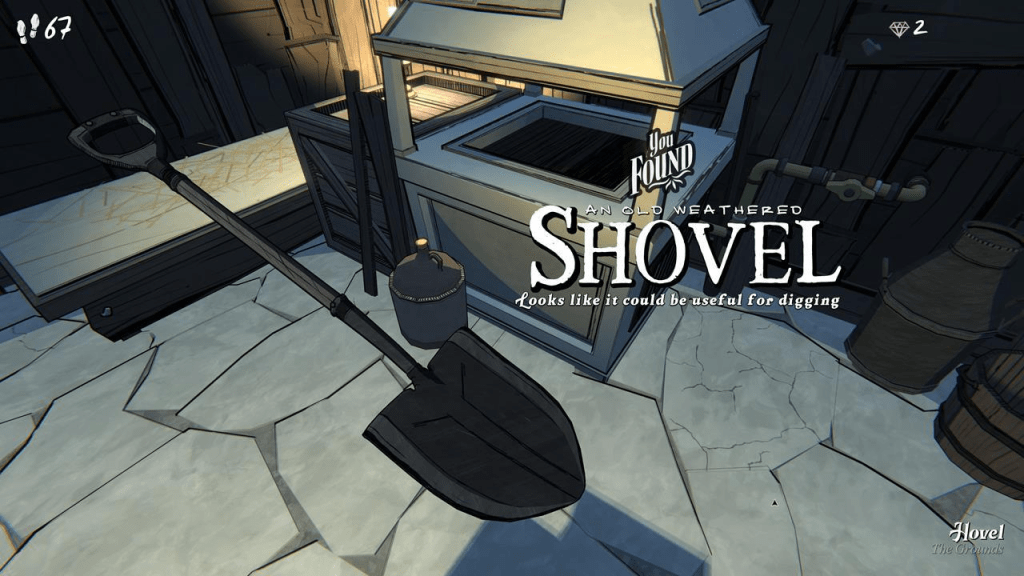
Figure 3: A Shovel tool pickup, utilised for digging
Image Source: https://www.gamespot.com/articles/blue-prince-shovel-hammer-items/1100-6530718/
Comparing Outer Wilds and Blue Prince: A Tale of Guided vs. Unguided Discovery
This is where Blue Prince makes its boldest (and most controversial) decision… it doesn’t explain anything. There is no real tutorial, the game doesn’t log your discoveries or highlight useful paths. If a note, item, or room is important, it’s up to YOU to recognise it.
And that’s not a bug, it’s the entire design philosophy.
You are meant to learn through failure. The structure of the mansion. The purpose of objects. The order of operations. The logic behind the ending. It’s all buried inside the game’s systems and word building, and it’s your job to excavate it, one day at a time.
This is where comparisons to a game like Outer Wilds become unavoidable. Both games are about learning how a world works by engaging with it directly. But where Outer Wilds logs every discovery in a beautifully clear web of knowledge with visual cues, connections, and a reminder of what you’re missing, Blue Prince gives you nothing of the sort. It actual recommends that you take notes on your own notepad.
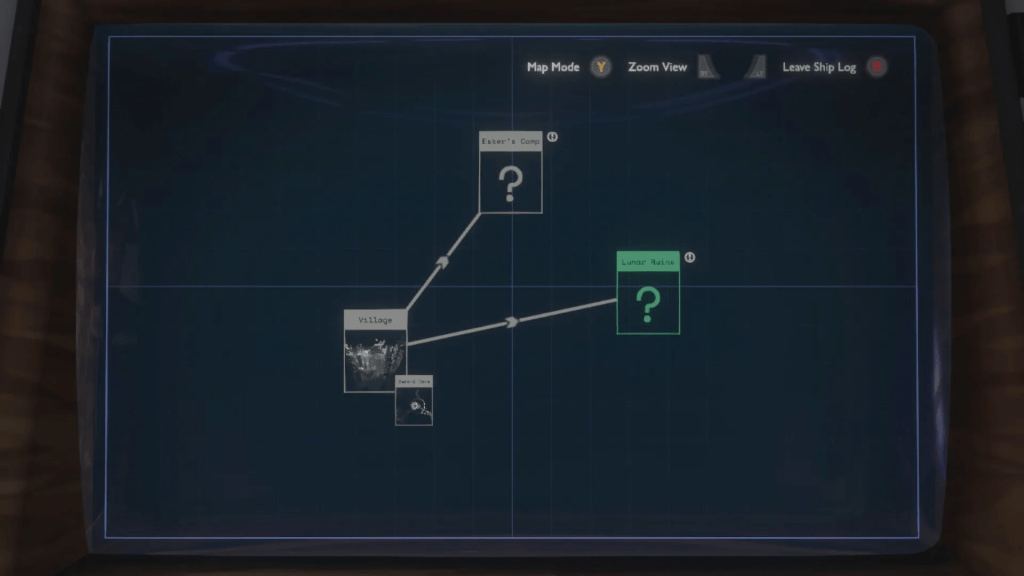
Figure 4: Outer Wild’s journal menu, tracking and linking your clues for you
Image Source: https://www.polygon.com/outer-wilds-guide/2019/7/19/20700735/beginners-tips-timer-nova-puzzles-explore-mystery-ship-log-damage-repair-heal
If Outer Wilds is a mystery novel with a corkboard and red string, Blue Prince is a box of shredded pages scattered across a dizzying mansion. It’s up to you to find them, figure out which ones matter, and then tape them together in the dark.
Personally, I prefer Outer Wilds’ approach. There’s a joy in being gently reminded of past discoveries and seeing how everything connects. Blue Prince offers a different pleasure: the satisfaction of building that web entirely on your own. When things click, it feels earned. But until they do, it can feel like you’re being punished for not speaking the game’s secret language.
The Moment It Clicks
At some point, maybe in your 20th run, or maybe in your 40th, something changes. A piece of room placement logic clicks. You recognise a symbol. You predict a path. Suddenly, the mansion isn’t just a maze of guesses, it’s a pattern waiting to be understood. That moment is subtle, and hard-won, but it’s what the game is quietly building toward all along.
Blue Prince eventually does offer you new unlocks, and mechanics as you progress. But its most powerful upgrade is internal, the feeling that you are changing. Not just your loadout, not just the map, but your perspective. You’ve internalised part of its language. You start playing differently, smarter, and sharper.
This is where the game becomes something more than strange and beautiful, it becomes satisfying. Not in a traditional power-fantasy way, but in the way that only a well-guarded secret finally revealed can be.
RNG, Friction, and the Limits of Control
One of the reasons I chose not to keep playing past my first full completion is that even after learning how to succeed, randomness still plays a major role in whether or not you can progress.
You can plan around the RNG (Random Number Generator), you can reduce its power, but you can’t eliminate it. I’ve had runs where I explored 43 of the 46 rooms avaliable to me, used every resource, and still never saw the crucial piece I needed to beat the run. I knew what to do, I just wasn’t given the tools to open any of the 3 locked doors to the antechamber. The game is at its most frustrating when it feels like no amount of planning can overcome a bad hand. When luck, not logic, seems to dictate your fate.
Soundtrack & Sound Design: Subtle, Haunting, and Integral
Blue Prince’s soundtrack is composed by Dutch duo “Trigg & Gusset”, known for blending dark jazz, moody electronica, and cinematic tension into richly atmospheric compositions. Their score for the game is both expansive (32 tracks, over two hours long), and intentionally understated. Much of it leans on soft piano, ambient tones, and quiet dread. At times, it’s so subtle you barely notice it’s there; at others, it transforms the entire mood of a room.
Complementing the music is some excellent ambient sound design, from creaks by the doors, and mechanical hums from the machinery. These subtle cues don’t just build atmosphere, they often act as quiet feedback mechanisms. A sudden buzz might hint at nearby electricity, or a click could signal a hidden change, careful listeners can glean useful information by paying attention. It’s a restrained, deliberately opaque soundscape, but incredibly effective in enriching both the mood and the mechanics of exploration.
Accessibility: Needs Improvements, but they are Coming
Blue Prince does not currently include colourblind accessibility settings, which creates a real barrier for some players. A few in-game puzzles rely on colour-based solutions, making them difficult or even impossible to solve without full colour perception. While these challenges aren’t required to complete the game, they do offer meaningful rewards, including valuable items and upgrades. The developers have acknowledged the issue, and a colour assist mode is reportedly in development, but it has yet to be released.
A “Colour Assist Mode” is listed in the PC version’s settings menu (alongside control rebinding and widescreen support), though it’s currently grayed out and marked as “in development.” These features are expected to arrive in version 1.10, billed as the game’s “definitive” update. However, this menu, and these future options are not currently visible or available on the Xbox version, leaving console players without even a placeholder for these improvements.
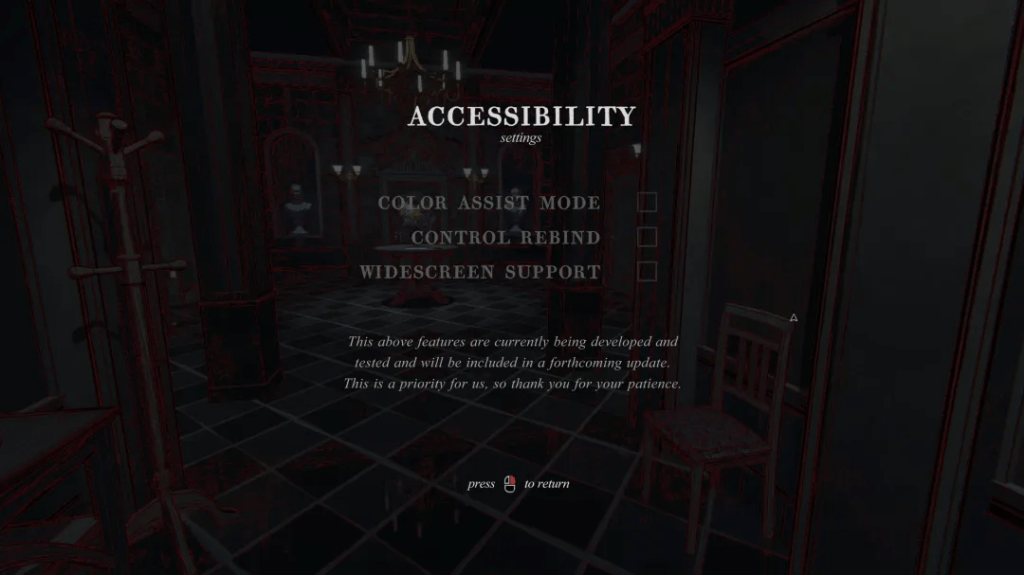
Figure 5: The blurred out colourblind menu on PC
Source: https://www.polygon.com/news/557876/blue-prince-colorblind-color-assist-mode-update
There are also reports of motion sickness from some players, especially on Steam Deck or with narrow FOV settings. Tweaking the field of view (+12.0 seems to help), disabling “smooth look,” and adjusting sensitivity are current workarounds, but more robust options would be welcome. Source: blue_prince_settings_motion_sickness/
Final Thoughts: A Cryptic Puzzle Worth Solving
Blue Prince is a haunting puzzle box of a game, perfect for those who love unraveling mysteries without a guide. Its ever-shifting mansion and cryptic story draw you in, blending exploration and deduction in a tightly designed, yet elusive package. If you crave ambiguity and fragmented narratives, this could be a standout experience.
The game’s strength lies in its bold opacity, it offers no hand-holding, barely acknowledging your presence. This makes every discovery thrilling, but also exhausting, as answers stay just out of reach. Its eerie atmosphere and unique mechanics shine, though the lack of clarity can frustrate.
I’m glad I explored its strange halls, but I’m not sure I’ll return. Blue Prince is unforgettable, yet demanding, a brilliant, divisive blueprint.
Rating: 3.5/5 enigmatic blueprints
Time Played: 11 hours
Achievements: 1/16




 Kirbylife Game Research & Reviews
Leave a comment