

Developed by id Software, DOOM: The Dark Ages drags the Doom Slayer into a gritty medieval world, swapping futuristic firepower for a brutal spiked shield as he battles through Hell’s forces. As someone new to the series, I came in fresh, unfamiliar with returning weapons or lore threads, but even without deep familiarity with past DOOM games, it’s clear that The Dark Ages leans into a slower, weightier style of combat. The action can be satisfying in bursts, but over time, the repetition, sluggish pacing, and forgettable soundtrack make it feel more like a grind than a thrill ride.
Minor spoilers ahead:
Parry, Dodge, Repeat: The Combat Loop’s Diminishing Returns
Combat in The Dark Ages has its moments. The weapons feel punchy, and stringing together parries, shield throws, and shotgun blasts can be satisfying. But over time, that loop starts to wear thin. Fights often fall into a predictable rhythm, parry the green flash, dodge the red one, blast, repeat. It’s intuitive, but after a few hours, the flow becomes too familiar.
The shield is a clear highlight. Blocking attacks or chucking it across the arena to cut down demons adds a nice layer to fights, especially when it’s paired with close-range weapons. The timing-based parries open up brutal counters that feel great when you land them. But most encounters lean heavily on those same interactions, and the colour-coded prompts make combat feel more reactive than strategic.

Figure 1: A green projectile that can be parried by the player
Image Source: https://gamerant.com/doom-dark-ages-review/
The weapon lineup has some variety, but most fights come down to blasting away with your shotgun. Melee weapons such as the mace, primarily serve to restore ammo, with each one offering a different cooldown and refill amount. They’re useful, but with long cooldowns and no real combat impact beyond resource management, they rarely changed how I approached a fight. There’s room to experiment, but nothing in the arsenal really encouraged switching things up mid-battle.
There is a gun designed to quickly deal with energy shields, but you can just as easily toss your own shield to break them, making it feel somewhat redundant. The only real standout weapon is the Skull Grinder, this thing is damn badass. It shoots chunks of enemy skulls as ammo, which is as original and metal as it gets. It’s clear that this gun is designed to make combat feel wild and satisfying. It’s one of the few weapons that genuinely delivers on the promise of feeling unstoppable and terrifying, with a unique concept that’s both brutal and fresh.
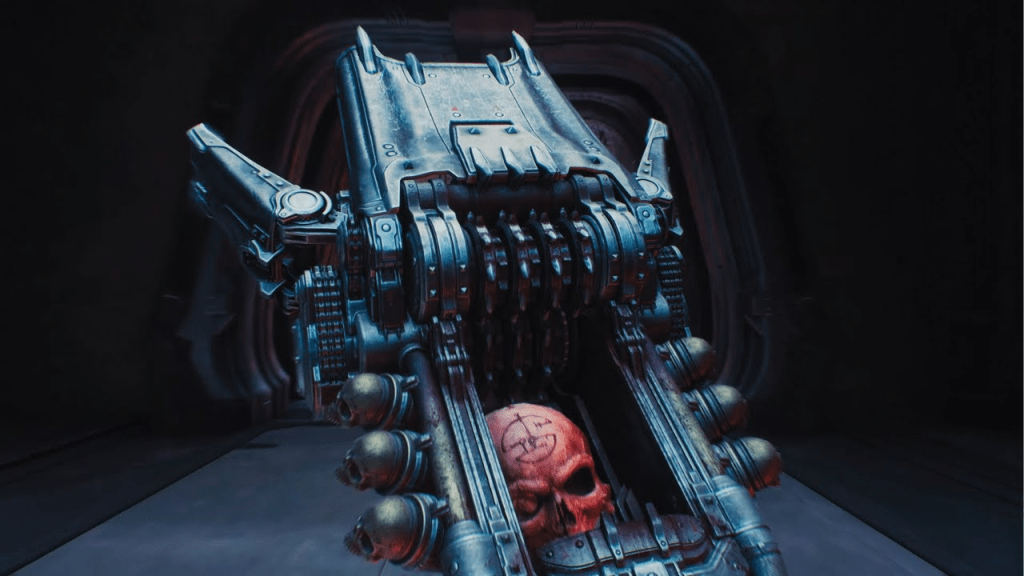
Figure 2: The Skullcrusher weapon mid-reload
Image Source: https://www.reddit.com/r/Doom/comments/1hpgzn0/the_unmaykr_and_the_skull_crusher/
Enemy spawns are another weak spot. Demons often appear without warning, which can feel cheap, especially when you’re blindsided by homing projectiles or flanked by fast-moving imps. It’s not impossible to deal with, but on higher difficulties, it sometimes felt more unpredicatable than challenging.
The larger combat setpieces such as riding a dragon or piloting a mech, might seem exciting at first, but they don’t add much to the experience. The dragon sections are fine, but they really slow things down, mostly coming down to simple dodging and basic shooting. However, the mech sections fare worse; they’re sluggish and repetitive, with stripped-back combat that lacks the depth and speed the rest of the game thrives on. They do help break up the pacing, but honestly, I was always just looking forward to being back on foot.

Figure 3: Mech suit gameplay, fist fighting a large demon
Image Source: https://www.indy100.com/gaming/doom-the-dark-ages-review-xbox-bethesda-microsoft
The upgrade system requires players to collect Gold, Rubies, and Wraithstones, which can slow down the pace for those who just want to keep ripping and tearing. While it adds some depth and encourages exploration, hunting down these resources can feel like a chore, especially if you’re more interested in nonstop action than completionist detours.
Another frustrating design choice is how the game boots you back to the main menu after completing every mission. This constant interruption kills momentum and pulls you out of the world repeatedly, making it harder to stay engaged. Instead of seamless progression or a smooth transition between levels, it feels like you have to reset your mindset over and over, which adds to the feeling of the game dragging rather than rushing forward.
From Lone Wolf to War General: The Dark Ages’ Narrative Shift
The Dark Ages trades the lone Slayer vibe for a full-on war effort, with Night Sentinels and King Novik leading the charge. The techno-medieval setting is cool, gothic castles, haunted forests, massive stone fortresses, and adds a fresh twist to the usual hellscapes. The scale is impressive, with towering demons stomping through battlefields and crumbling ruins in the background, giving everything a sense of chaos and grandeur. But while it looks incredible, that scale rarely translates into the actual gameplay moment to moment.
The story takes a more structured approach than DOOM (2016)’s codex-heavy delivery, which I appreciated going into it. But as someone who hadn’t played the previous games, even whilst knowing that this was a prequel, I still felt lost. There are ancient orders, cosmic witches, and god-like beings thrown around with little context, and it’s hard to care about any of it when the game assumes you’re already familiar with the lore.
NPCs bark orders in your ear during missions, which clashes with the silent, lone-wolf energy the Slayer usually gives off, which makes It feels out of place for a DOOM title. The attempt to give the Slayer more of a backstory is interesting, but for me, the payoff is thin.
The story serves its purpose, but despite id Software’s talk of a deeper narrative, it ends up feeling like a backdrop, not a driver. It’s there, it’s fine, but it’s not the reason to keep playing.
Huge Environments, Drawn-Out Exploration
The game spans 22 levels across a variety of hellish environments, scorched deserts, crumbling towers, and vast battlefields, that feel like a heavy metal album cover come to life. Visually, it’s striking, but bigger doesn’t always mean better. Many of the arenas are flat and lack meaningful cover or verticality, which makes combat feel static compared to what I expected from modern shooters. Without dynamic arena design or varied enemy encounters, the action can quickly become repetitive, and the environments start to blur together.

Figure 4: Flat landscapes in Doom: The Dark Ages
Image Source: https://9meters.com/entertainment/games/doom-the-dark-ages-releases-official-launch-trailer
Exploration often slows the pace down in a frustrating way. Secrets are clearly marked on the map, which takes away any sense of genuine discovery. If you miss a collectible early in a level, you’re forced to replay large sections to find it. One particularly tedious late-game mission requires backtracking through around 70% of the map just to retrieve a key, something that completely kills momentum and makes the experience feel like a grind.
Weak Riffs: A Soundtrack Lacking Soul
The soundtrack is arguably one of the biggest letdowns of the game. While previous DOOM installments earned praise for iconic, adrenaline-pumping music that stays with you long after playing, this score barely registers. It feels generic, bland, and ultimately forgettable, lacking the energy and distinct personality that made the series’ earlier soundtracks so memorable. There are a few moments, like the track From the Ashes, that hint at potential, but overall the music simply serves as background noise rather than a driving force.
One major talking point among fans is the absence of Mick Gordon, the acclaimed composer behind DOOM (2016) and DOOM Eternal’s memorable soundtracks. His departure left big shoes to fill, and while the new soundtrack’s composers deliver competent metal tracks, many feel that it lacks the distinctiveness and adrenaline-pumping impact that Gordon’s music brought to the series.
Sound effects fare no better. Weapons sound muted and explosions lack punch, something you wouldn’t expect from a game boasting planet-shaking armaments. Enemy deaths and ambient noises often feel distant and flat, which lessens the immersion. The audio mixing struggles to deliver the visceral impact you’d want from a game of this scale; instead, it feels off-balance and uninspired.
A Smooth Performance That Supports the Slayer’s Rampage
On Xbox Series X, DOOM: The Dark Ages delivers a consistently smooth and stable performance, allowing the action to flow without interruption. Load times are impressively fast, minimising downtime between missions and keeping players in the thick of battle. Frame rates remain steady throughout, with no noticeable stutters, dips, or technical hiccups, even during intense combat sequences with multiple enemies on screen.
No Slayer Left Behind: Accessibility Done Well
DOOM: The Dark Ages stands out by offering a robust and thoughtfully designed suite of accessibility options, ensuring that a wide range of players can tailor the experience to their needs without sacrificing challenge or immersion.
The difficulty sliders are particularly impressive, allowing players to customise enemy aggression, parry timing windows, projectile speeds, and more. This granular control means you can fine-tune the gameplay loop to match your skill level and preferences, creating a personalised combat experience that doesn’t feel watered down.
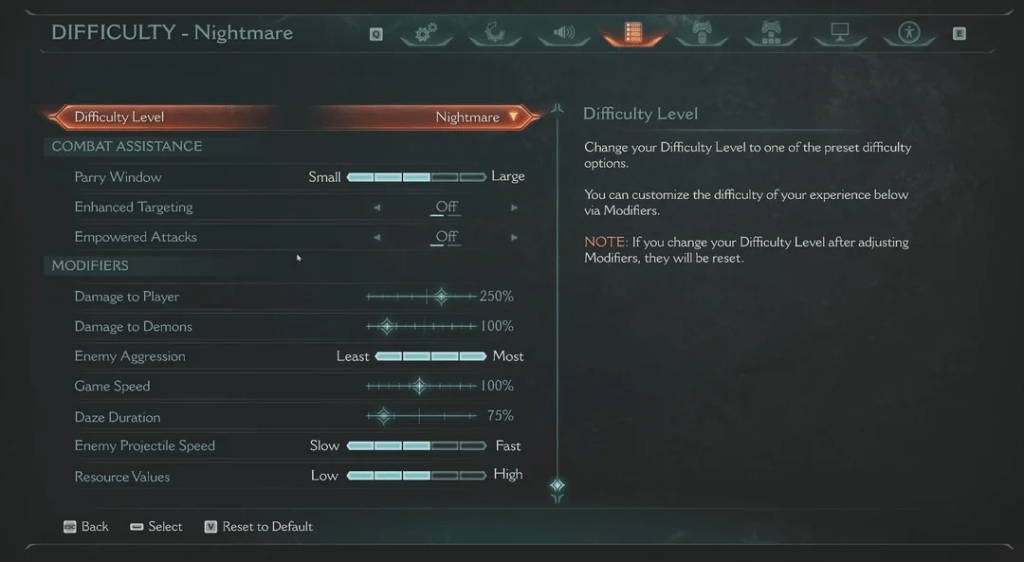
Figure 5: Accessibility Menu with Parry Window and Damage Modifiers
Image Source: https://www.reddit.com/r/Doom/comments/1jp77h0/a_brief_look_into_the_doom_the_dark_ages/
One of the most innovative accessibility features is the World Desaturation slider, which desaturates the background environments to grayscale while making enemies stand out in vivid, customisable colors. This is a huge win for players with low vision or colorblindness, dramatically improving enemy visibility and combat clarity. Additionally, parry cues can be adjusted to avoid visual overlap, and the game includes three distinct colorblind filters to further accommodate various visual needs.
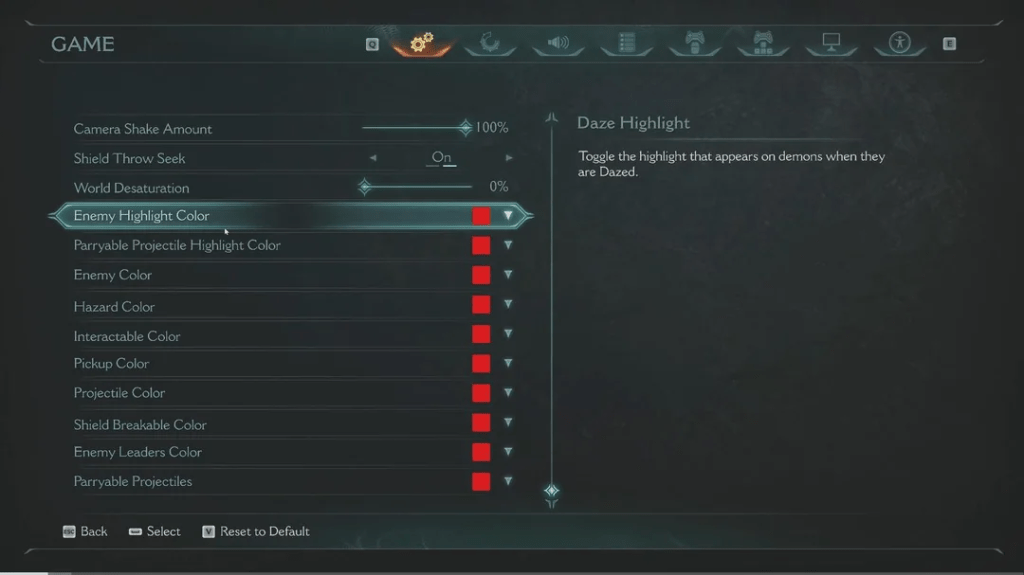
Figure 6: Accessibility Menu with Colour Blindness Settings
Image Source: https://www.reddit.com/r/Doom/comments/1jp77h0/a_brief_look_into_the_doom_the_dark_ages/
UI customisation options are extensive: players can adjust text size, subtitle backgrounds, and HUD colours to create a comfortable viewing experience. Tutorials are fully pauseable and saved in the codex for easy reference, helping players learn at their own pace.
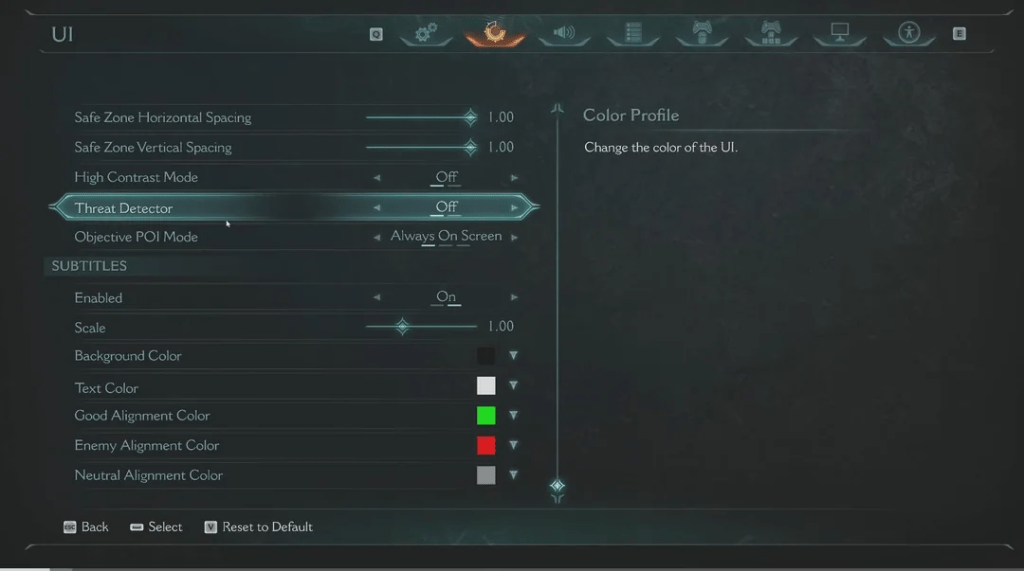
Figure 7: Accessibility Menu with Subtitle Settings
Image Source: https://www.reddit.com/r/Doom/comments/1jp77h0/a_brief_look_into_the_doom_the_dark_ages/
Control remapping is flexible, and options like aim assist, auto-sprint, and adjustable field of view are all included, rounding out a comprehensive package that makes The Dark Ages the most accessible DOOM title to date. While a few rough edges remain, these accessibility tools open the gates wide for a diverse audience to dive into the action.
Final Verdict: Final Verdict: A Gritty Yet Flawed Rampage
DOOM: The Dark Ages offers a fresh setting and a few standout ideas, particularly its shield mechanic and excellent accessibility tools. The Slayer still feels like a powerhouse, even if the game constantly weighs him down. But sluggish pacing, predictable combat, and underwhelming audio hold the experience back.
It feels more like a passionate tribute to DOOM than a bold step forward. If you’re looking to mindlessly blast some demons, DOOM: The Dark Ages delivers in bursts, with moments like wielding the Skull Grinder or nailing a perfect parry shining brightly. For Game Pass players, it’s worth checking out for some chaotic fun, but at full price (£60), you might be better off revisiting DOOM (2016) or DOOM Eternal for cleaner, faster carnage.
I have put 24 hours into DOOM: The Dark Ages, whilst achieving 28/28 achievements.
Rating: 2.5/5 DOOM Slayers





 Kirbylife Game Research & Reviews
Leave a comment