
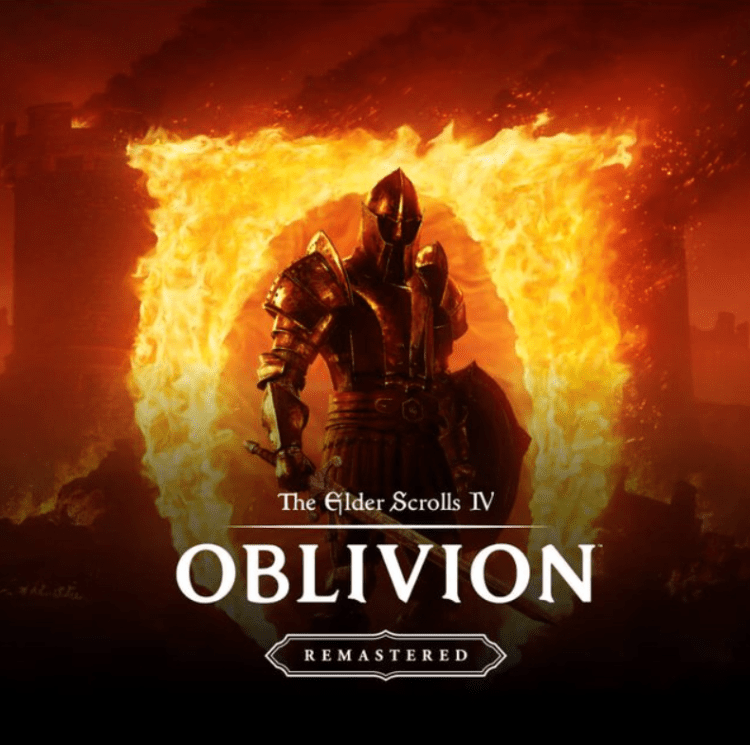
The Elder Scrolls IV: Oblivion, originally released in 2006, was a landmark RPG that redefined open-world gaming with its sprawling world, deep lore, and unparalleled freedom.
The recent remaster, built on the bones of a nearly 20-year-old game, polishes the visuals to breathtaking levels and slightly refines some of the mechanics, but it’s a polarising experience for newcomers like me who came to it after falling in love with Skyrim.
I’m not a die-hard Bethesda fan, but I consider Skyrim a masterpiece. Fallout 4 was solid, though it doesn’t quite measure up, and The Outer Worlds never really clicked for me. The Oblivion remaster feels like both a captivating time capsule and a striking reminder of how far the genre has evolved.
After spending over 65 hours on the main story, Shivering Isles DLC, and major guild questlines, I’m torn. Oblivion is a gorgeous, ambitious adventure that kept me hooked, but its dated design and lingering bugs often made it a slog. So, does it still hold up for a first-time player in 2025? Let’s head to Cyrodiil and find out.
A World That Still Takes Your Breath Away
From the moment you emerge from the Imperial City’s sewers, Oblivion’s remastered visuals make a powerful impression. The sweeping hills, Romanesque architecture, and lush, vibrant flora bring Cyrodiil to life in a way that rivals many modern open-world games.
Villages like Chorrol and Anvil feel alive with their quaint stone buildings and bustling NPCs, while the eerie Oblivion Gates crackle with fiery menace.
The remaster gives Cyrodiil a striking new look, forests glow with the sunlight shining through the trees, ruins feel genuinely ancient, and the atmosphere holds up against modern RPGs. Whether it’s the sunset over Lake Rumare or mist clinging to the Jerall Mountains, the world consistently impresses.
Yet, the world’s vastness can feel empty at times. Roads lack the randomised events that made Skyrim’s travels dynamic, as well as a lack of varied enemy types.
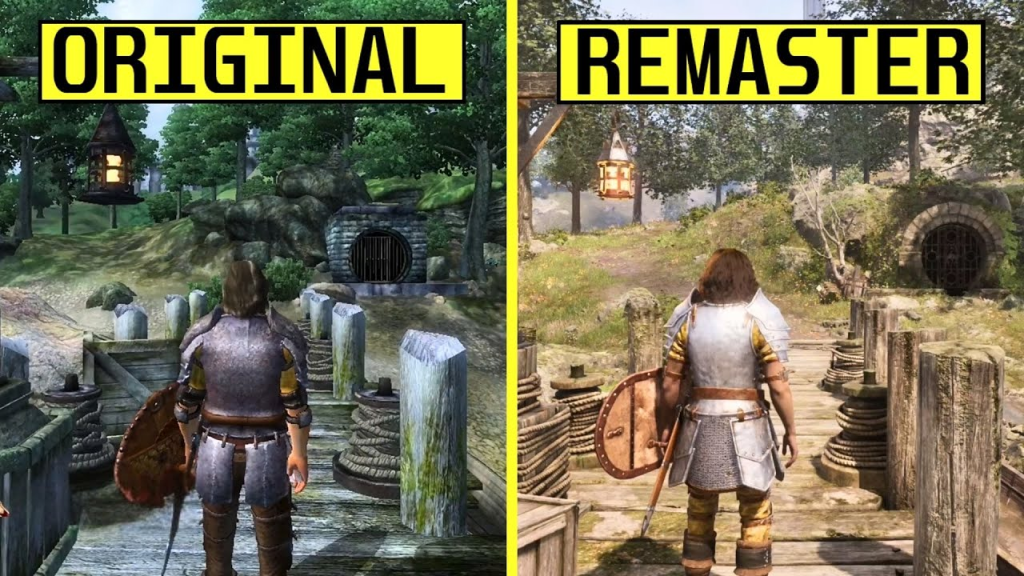
Figure 1: A side by side comparison of the old and remastered textures
Image Source: NeoGAF: The Elder Scrolls IV: Oblivion Remastered vs Original Graphics Comparison
Still, the sheer scale of Cyrodiil, paired with its jaw-dropping visuals, makes exploration a joy, even when you’re simply roaming the wilderness or stumbling into a Daedric shrine.
Gameplay: Freedom with a Side of Frustration
Oblivion’s core promise is freedom, and it delivers. You can be a sneaky thief, a fireball-slinging mage, a hulking warrior, or all three. The remaster preserves the original’s class system, where you specialise in combat, magic, or stealth, leveling up skills through use. It’s satisfying to see your Blade skill improve after swinging a sword or unlock higher-level spells with your destruction skill. However, the system feels clunky compared to Skyrim’s streamlined skill trees.
Leveling up too quickly can also break the game’s balance. I was decked out in Daedric armor early on, which made combat trivial. Enemies scale to your level, but this can backfire, especially if you’ve leveled up non-combat skills like Speechcraft and end up ambushed by foes in full Daedric armor.
Combat is a mixed bag. While the remaster smooths out some of the original’s sluggish mechanics, it remains fairly basic, swing a sword, block, or pick off enemies with a bow. Mixing magic and melee feels clunky, partly due to unresponsive menus and a limited hotkey wheel system. You can assign spells and items to quick slots, but if something gets used up or dropped, it’s removed from the wheel, breaking the flow mid-fight.
Light armor can also break quickly, forcing you to visit a blacksmith or carry heavy blacksmith hammers for repairs. This is especially annoying early on, when repairs are frequent.
The lack of cinematic kill animations, like those in later Elder Scrolls games, makes battles feel less impactful. Compared to Skyrim’s fluid magic animations and dual-wielding, Oblivion’s combat feels like a product of its time. That said, the ability to use a shield alongside magic is a nice touch.
Daedra and Oblivion mobs are fun to fight, with their otherworldly designs and aggressive AI. However, the janky NPC behavior, pathfinding issues, and repetitive dialogue like “I fought Mud Crabs more fierce than you!” highlight the AI’s age, despite being groundbreaking for its time in 2006.

Figure 2: Fighting a clannfear in an oblivion portal
Image Source: https://gamingbolt.com/the-elder-scrolls-4-oblivion-remastered-12-beginners-tips-to-know-before-starting
The persuasion minigame, where you bribe or intimidate NPCs using a clunky wheel-based system, quickly grows repetitive and frustrating. It lacks the depth and satisfaction that you’d expect from a system built around interaction.
I also found myself missing Skyrim’s blacksmithing, armor crafting, and enchanting systems, which added a rewarding layer of customisation. While Oblivion does offer enchanting, it feels far more tedious and less impactful. The process of gathering sigils for enchanting doesn’t carry the same sense of immediacy or reward as Skyrim’s more streamlined and satisfying approach. The result is a system that feels more like a chore than an exciting gameplay feature, making the customisation feel less worthwhile.
Oblivion Gates, while visually impressive at first, soon devolve into a monotonous grind, with their repetitive fiery corridors and predictable sigil hunts. Eventually, I found myself rushing through them just to grab the sigil and move on..
Performance-wise, Oblivion struggles on the Xbox Series X. Frequent crashes and frame drops during intense battles severely disrupt the flow, especially for players who rely on smooth, stable gameplay. The game feels poorly optimised for the Series X, with my console constantly working overtime. It generated so much heat that my room felt like I was trapped in Oblivion itself, forcing me to keep the fan on and windows open. On top of that, I couldn’t shake the concern about the potential long-term damage to the Xbox itself.
A Story That Pulls You In, When It Works
Oblivion’s main quest is grand in scale, filled with epic moments and challenges that keep you invested as you work to protect the world from a looming threat.
The guild questlines shine, blending moral dilemmas with surprising depth. Some quests had me questioning my own moral values, a rare feat for a game of this era. The Shivering Isles DLC, with its bizarre landscapes and Sheogorath’s mad antics is a highlight. But not every quest lands. Some guild missions are repetitive fetch quests, and some of the village side quests can also lack variety, but definitely not all of them.
Bugs further hinder the experience, with quest markers disappearing, NPCs glitching, and game-breaking quest bugs that halt progression. At one point, my character randomly scaled to giant size, causing my head to glitch out of caves and making enemies at my feet nearly impossible to hit. It’s frustrating to encounter the same issues players reported 16+ years ago, especially when the remaster clearly didn’t put much effort into addressing them, leaving me scrambling for workarounds.
While purists may argue for preserving the original, small quality of life improvements like marking cleared caves, or stabilising quests, would have made a significant difference.
Oblivion vs. Skyrim: The Evolution of Bethesda’s RPG Formula
Oblivion’s design feels like a prototype for Skyrim, and playing it highlights how much Bethesda refined the formula over seven years. While both games share the open-world exploration and freedom that define Bethesda’s RPGs, the differences are striking.
Skyrim’s world feels more dynamic and alive, with a greater variety of NPCs and voice acting that bring the world to life. Oblivion, by contrast, struggles with repetitive NPCs and awkward animations, which can break immersion. Stealth also feels limited, while Skyrim allows you to crouch and effectively lose enemies, Oblivion locks you in a chase until you’re far enough away, sometimes up to 400+ meters.
Additionally, Skyrim polished many aspects of gameplay that were less refined in Oblivion. From smoother combat mechanics and more engaging animations to better stealth and an overall improved AI, Skyrim feels like a more fluid experience.
While Oblivion was groundbreaking in its time, it’s clear that Skyrim improved upon its predecessors’ concepts, making it a more polished and dynamic experience in my opinion.
The Soundtrack: A Haunting Triumph
Jeremy Soule’s original 2006 soundtrack remains untouched in the Oblivion remaster, preserving the iconic compositions that helped define the game’s atmosphere. From the majestic main theme to the haunting melodies echoing through Ayleid ruins, the music still perfectly captures Cyrodiil’s wonder and peril.
While the score itself hasn’t been remastered, enhanced ambient audio and modern sound mixing make the overall soundscape richer and more immersive. Whether you’re sneaking through a cave or charging into an Oblivion Gate, the soundtrack continues to elevate every moment, just as it did nearly two decades ago.
Accessibility: A Step Forward
The remaster introduces accessibility features that make Oblivion more inclusive, especially on Xbox Series X, but it’s not a complete overhaul. Compared to the 2005 original, the 2025 version adds:
- Granular Difficulty Sliders: Multiple sliders to adjust enemy strength and damage, catering to players with motor or cognitive challenges.
- Enhanced Save System: More frequent and reliable auto-saves and manual saves, reducing frustration for players who need to take breaks.
- Audio Customisation: Independent volume controls for music, sound effects, and dialogue, aiding players with hearing impairments or enhancing the soundtrack experience.
- Visual Settings: Brightness and contrast adjustments to help players with vision impairments, offering better visual clarity.
- Controller Button Remapping: Limited control customisation, a new feature compared to the original’s rigid console controls.
- Colourblind-Friendly UI Options: New accessibility settings improve visual clarity for players with colour vision deficiencies, enhancing menus and HUD readability.
The menu UI, while visually polished, is sluggish, with excessive page-flipping to access spells or skills. For players with motor impairments, the lack of a dedicated magic or skills menu and limited shortcuts can feel restrictive. Compared to Skyrim’s streamlined interface, Oblivion’s menus are a relic, and the remaster missed a chance to modernise them.
Final Thoughts
The Elder Scrolls IV: Oblivion Remastered is a paradox: a visually stunning, deeply immersive RPG that’s both timeless and dated. Its breathtaking world, haunting soundtrack, and ambitious questlines make it an easy recommendation for anyone who loves open-world adventures, especially if you’ve never played it before. With the main game offering over 150 hours of content, and the Shivering Isles DLC adding another 40 hours, there’s a staggering amount of exploration, quests, and secrets to uncover.
However, Oblivion’s clunky combat, persistent bugs, and lack of modern quality-of-life features can be frustrating, especially for newcomers accustomed to more polished RPGs. While the remaster introduces accessibility improvements, performance issues and an unresponsive UI hold it back. Despite these flaws, Oblivion still captivated me, reminding me why I fell in love with RPGs. It’s not Skyrim, and it doesn’t need to be; it’s a genre-defining classic that still shines, even if its armor degrades a bit too fast.
I have put 65+ hours into oblivion, whilst achieving 60/60 achievements.
Rating: 3.5/5 Daedric Artifacts




 Kirbylife Game Research & Reviews
Leave a comment